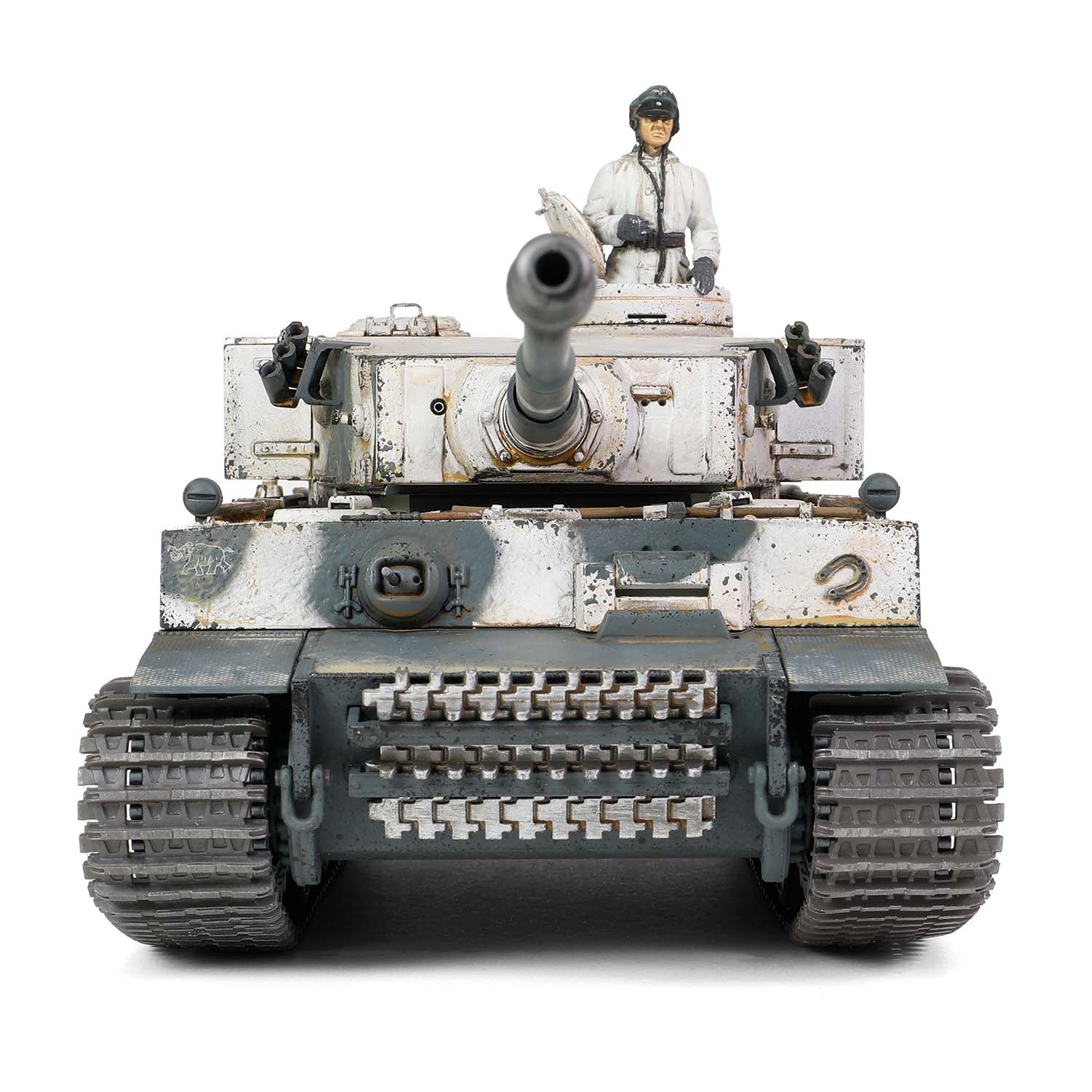
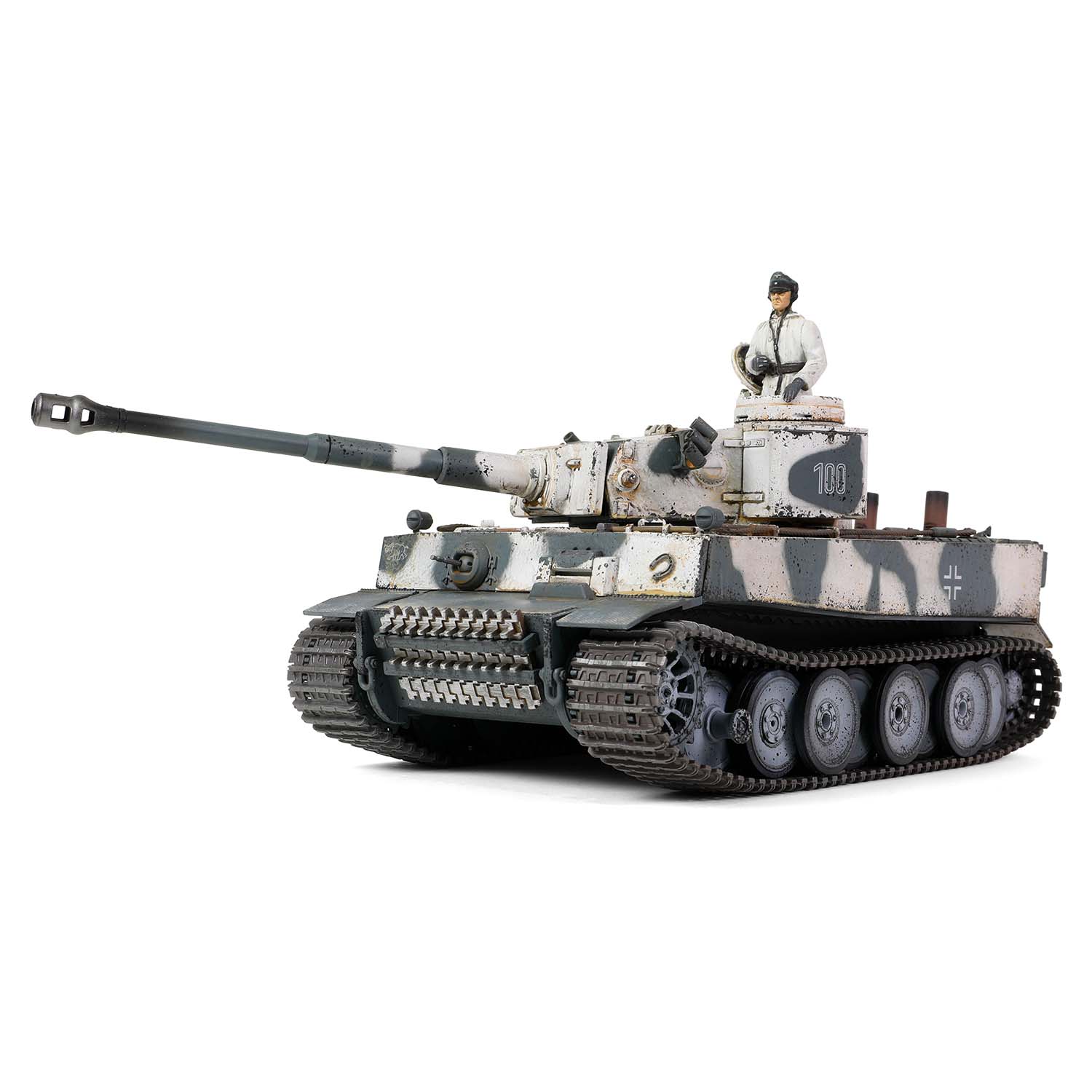
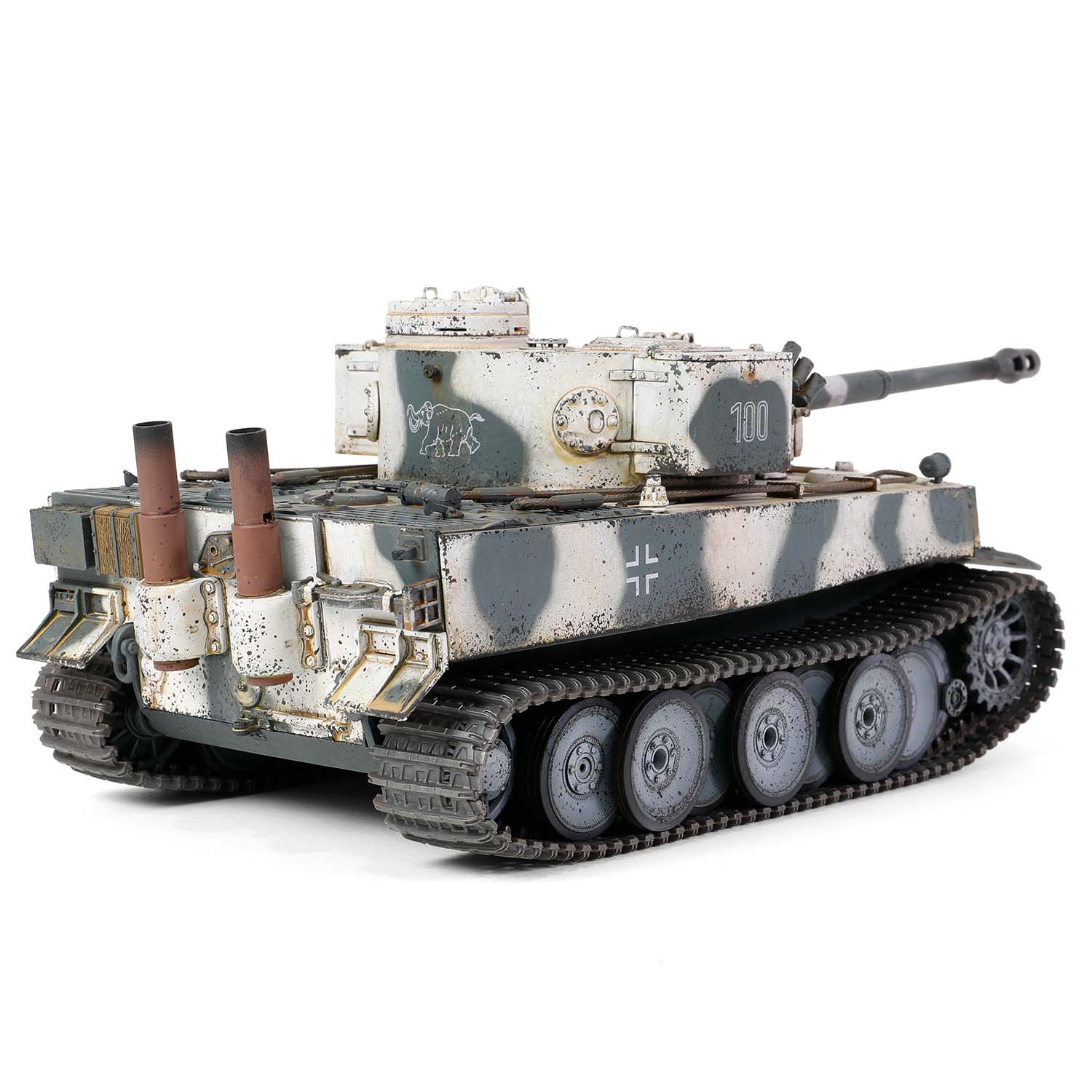
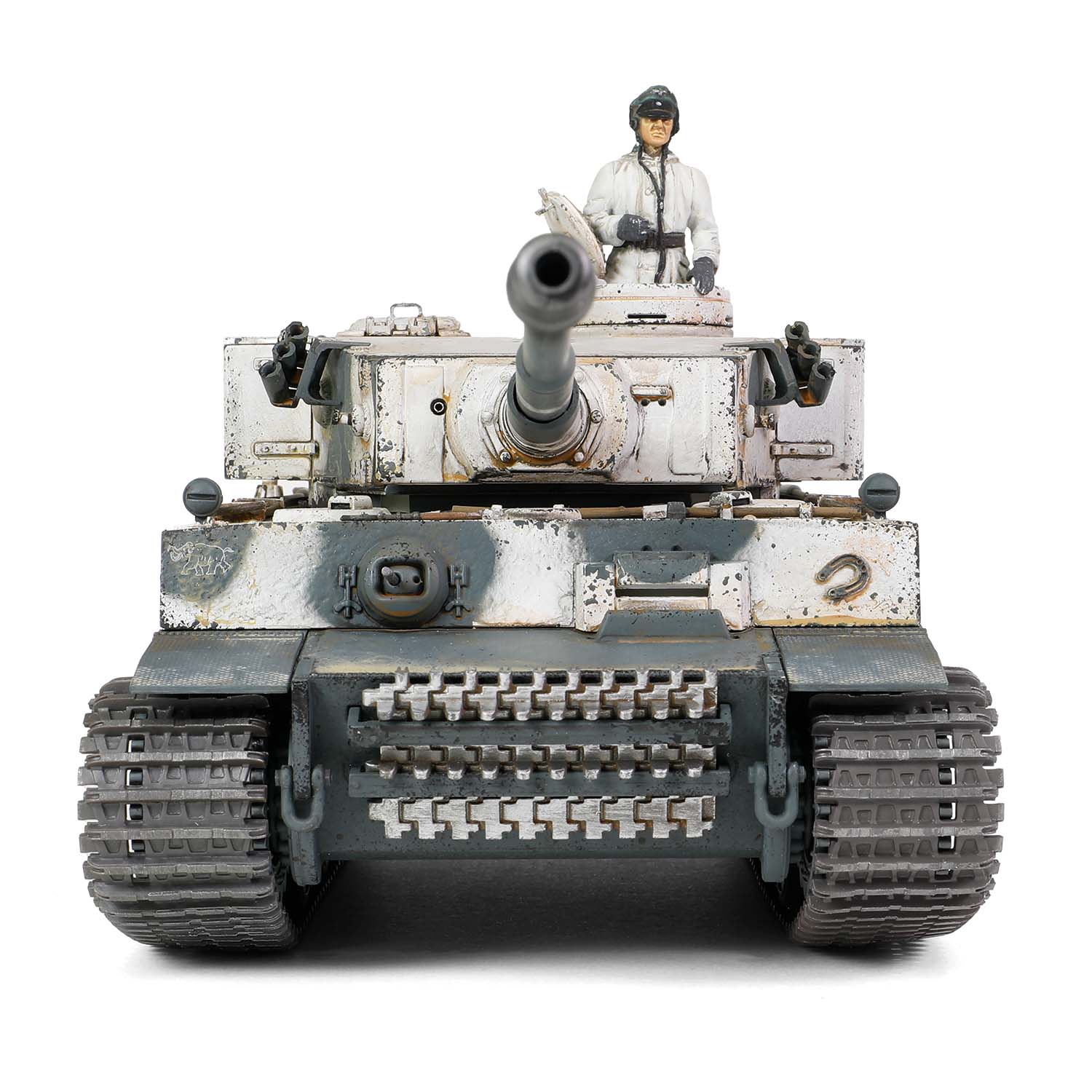
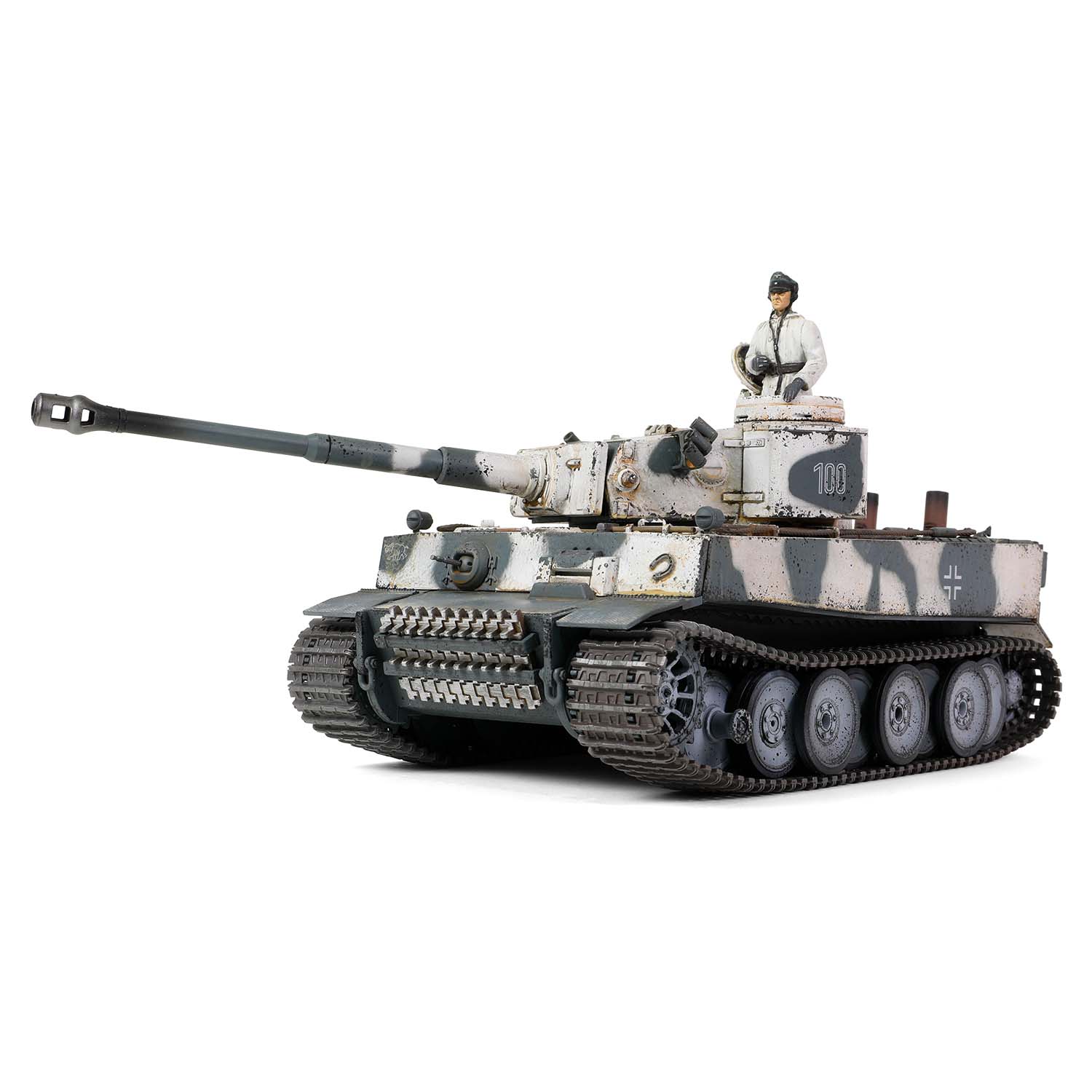
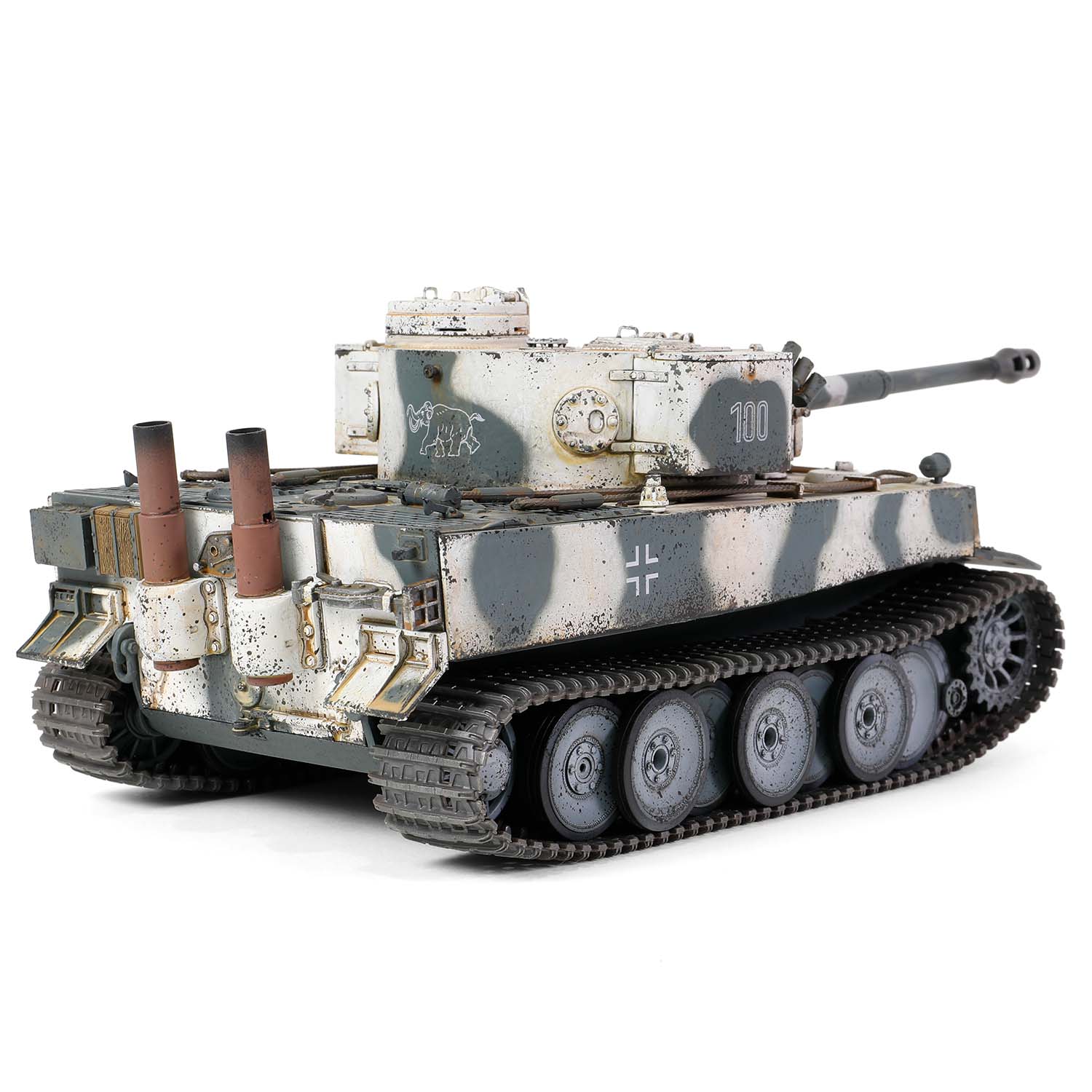
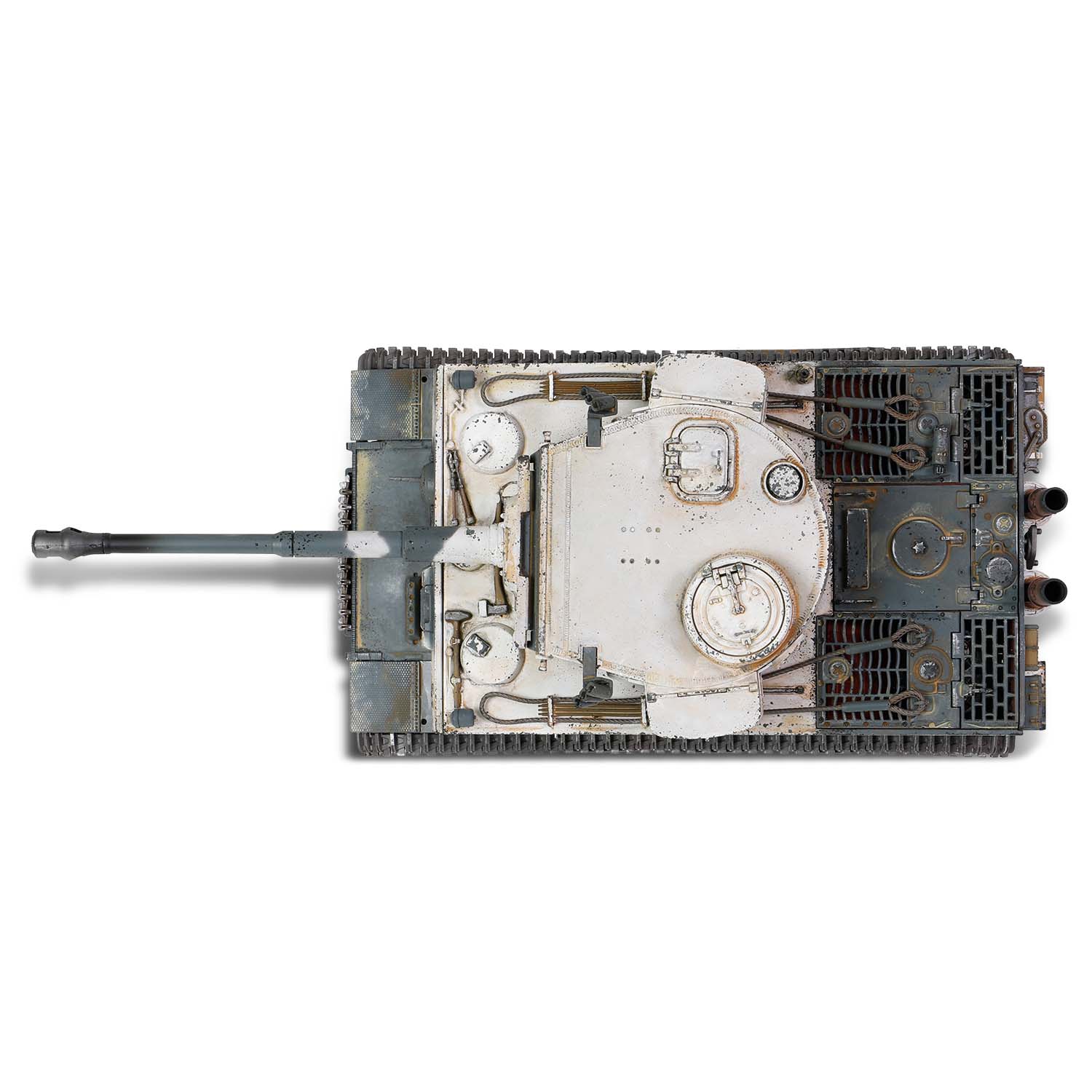
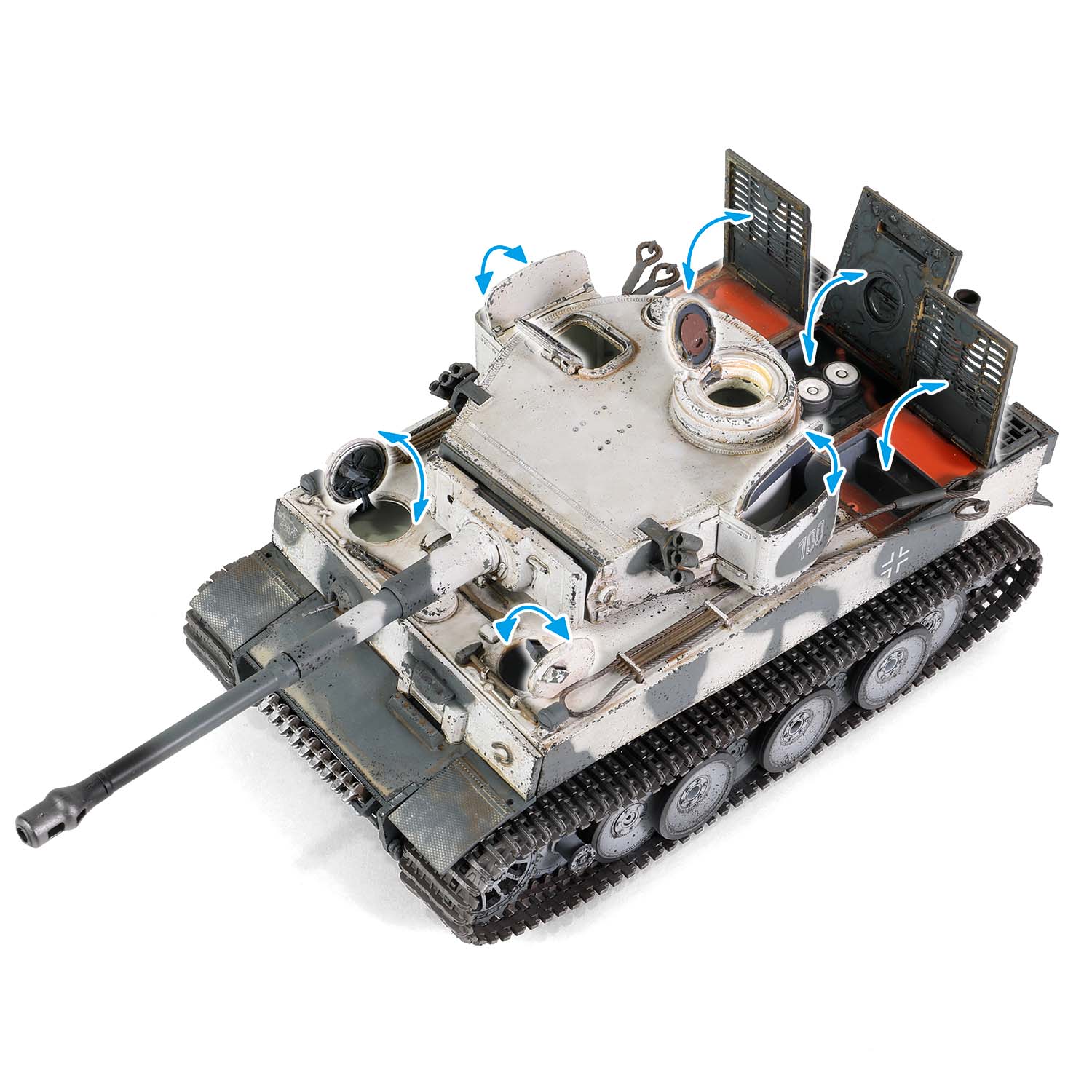
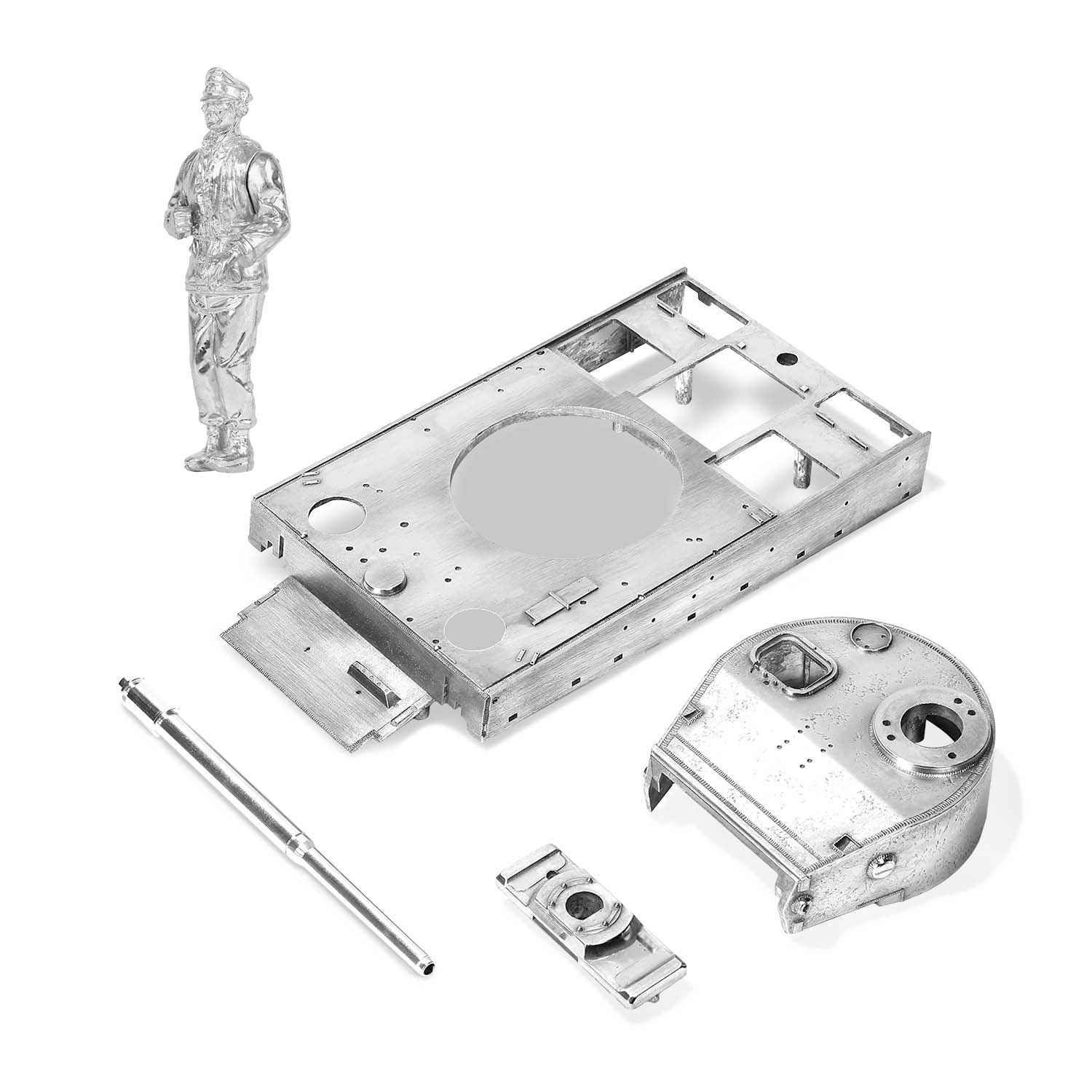
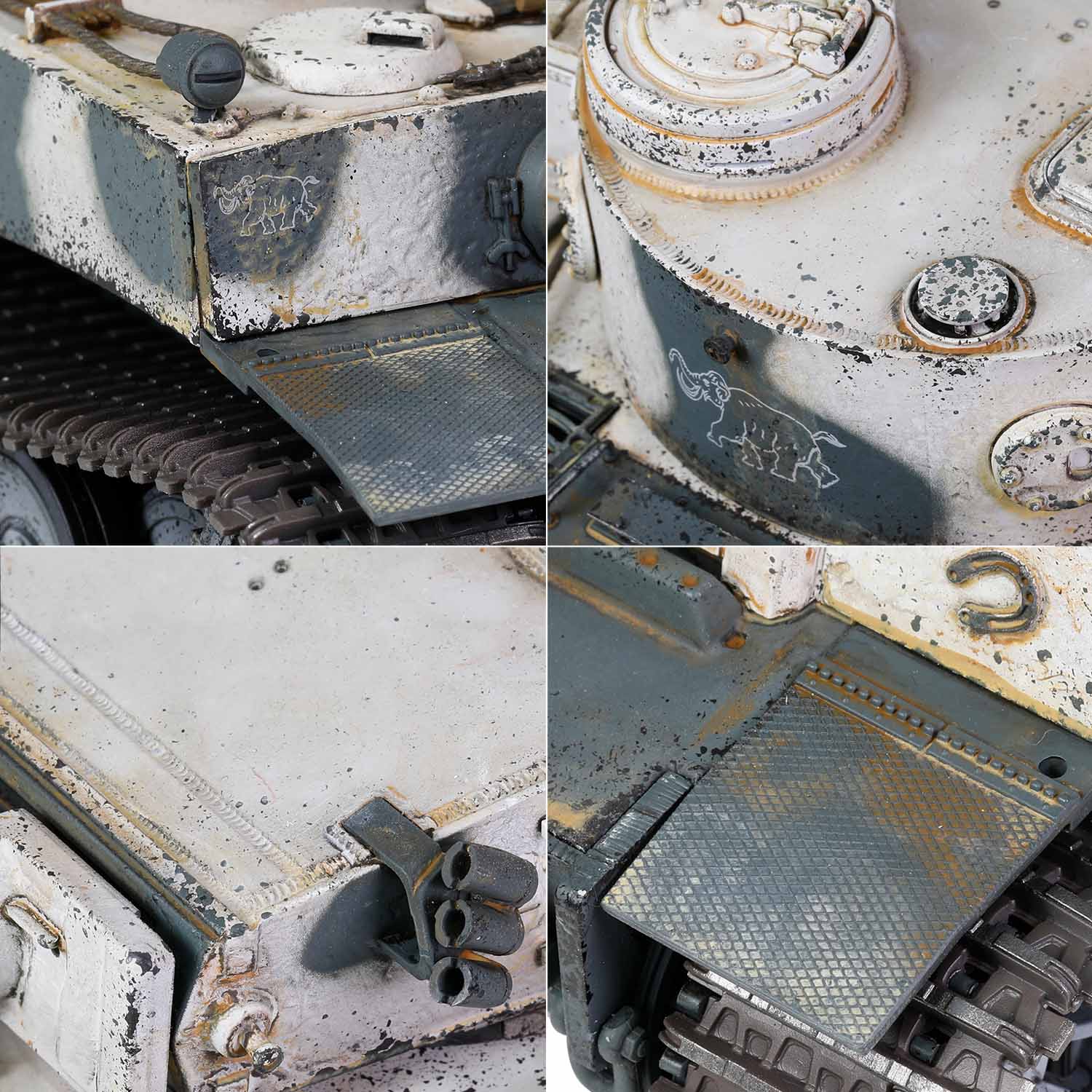
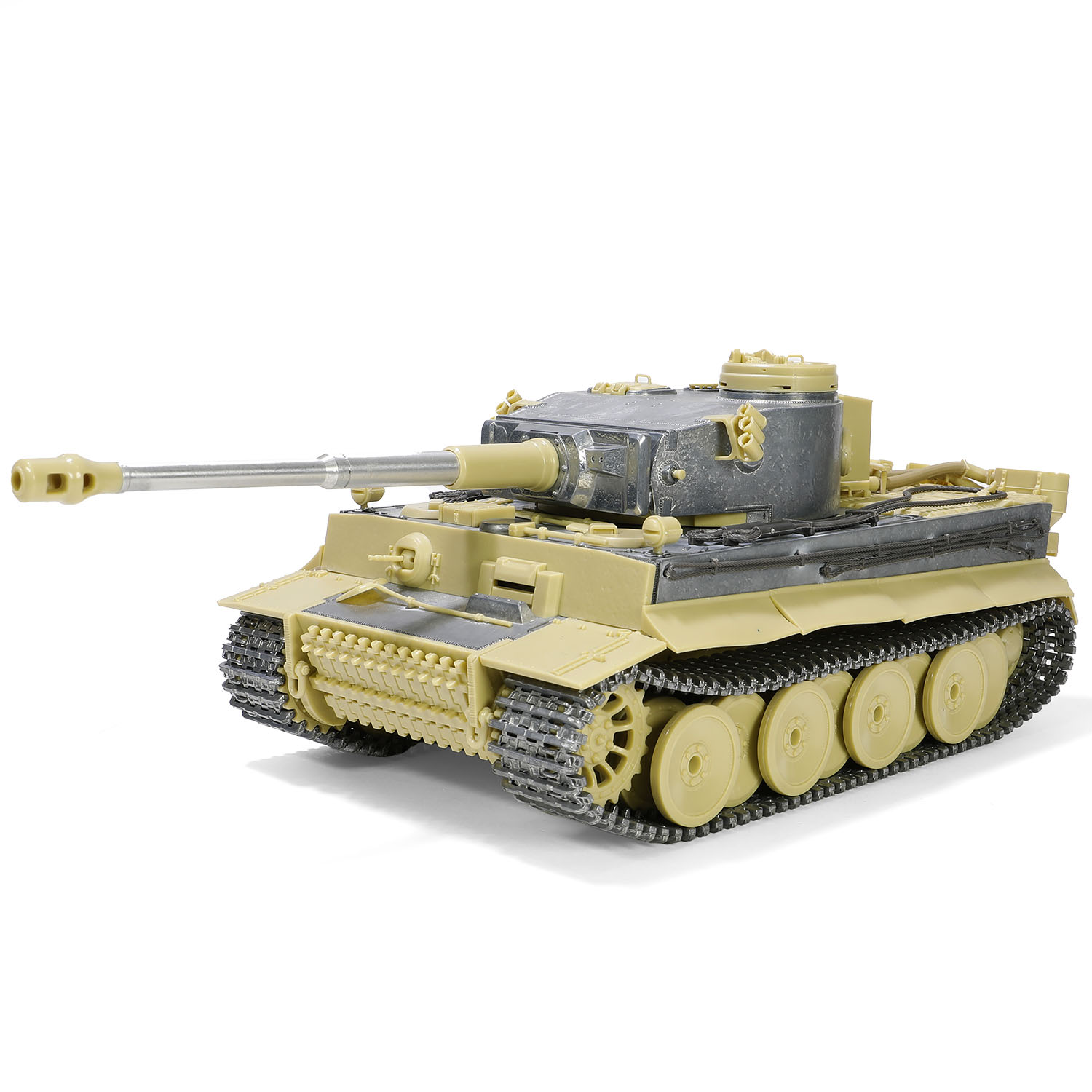
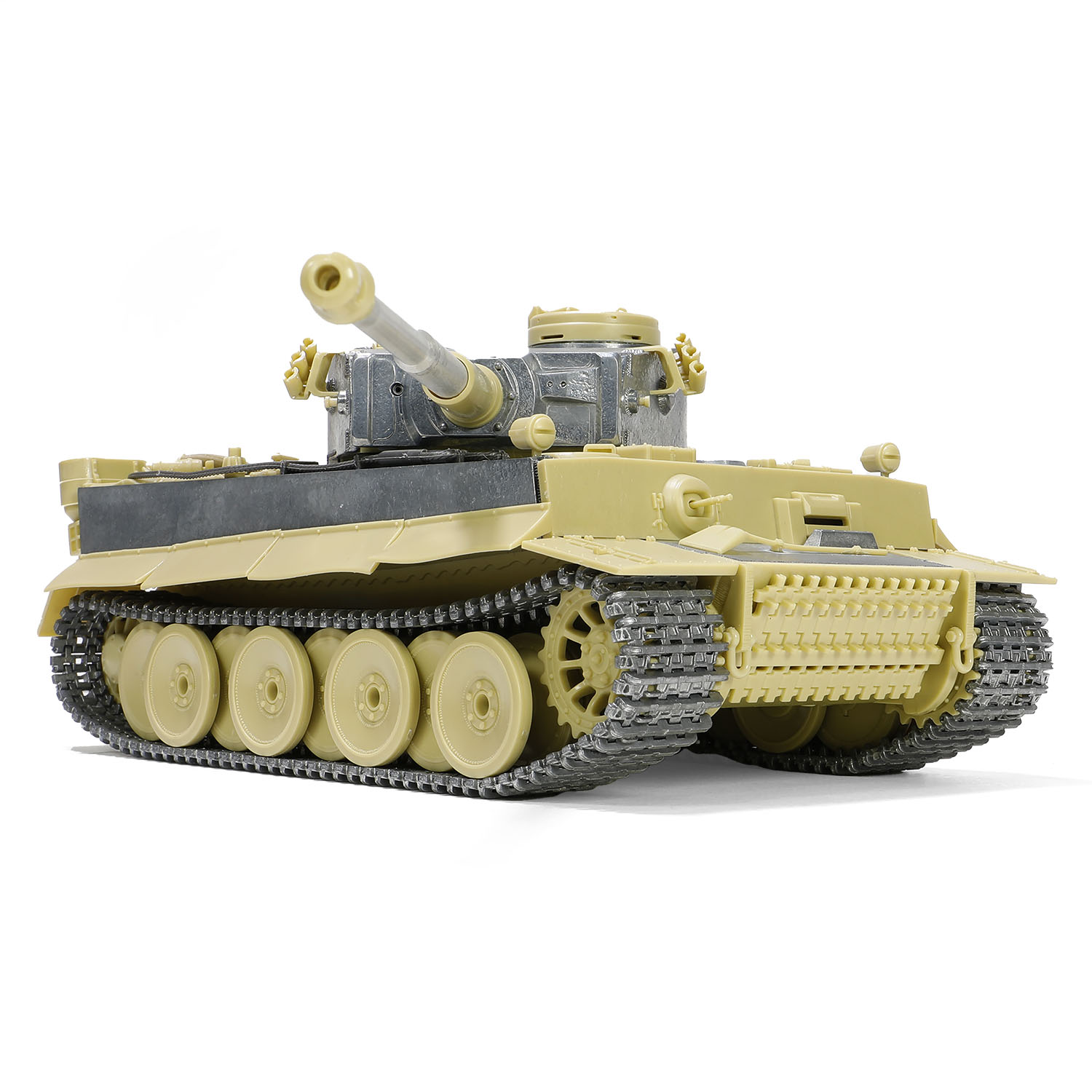
During World War II, each unit of the German Wehrmacht adopted a distinctive insignia to represent itself, and the 502nd Heavy Panzer Battalion was no exception. Their emblem - a woolly mammoth - symbolized immense strength and power. Notably, the 502nd was the first unit to receive and deploy Germany's heaviest and most formidable tank at the time: the Tiger I.
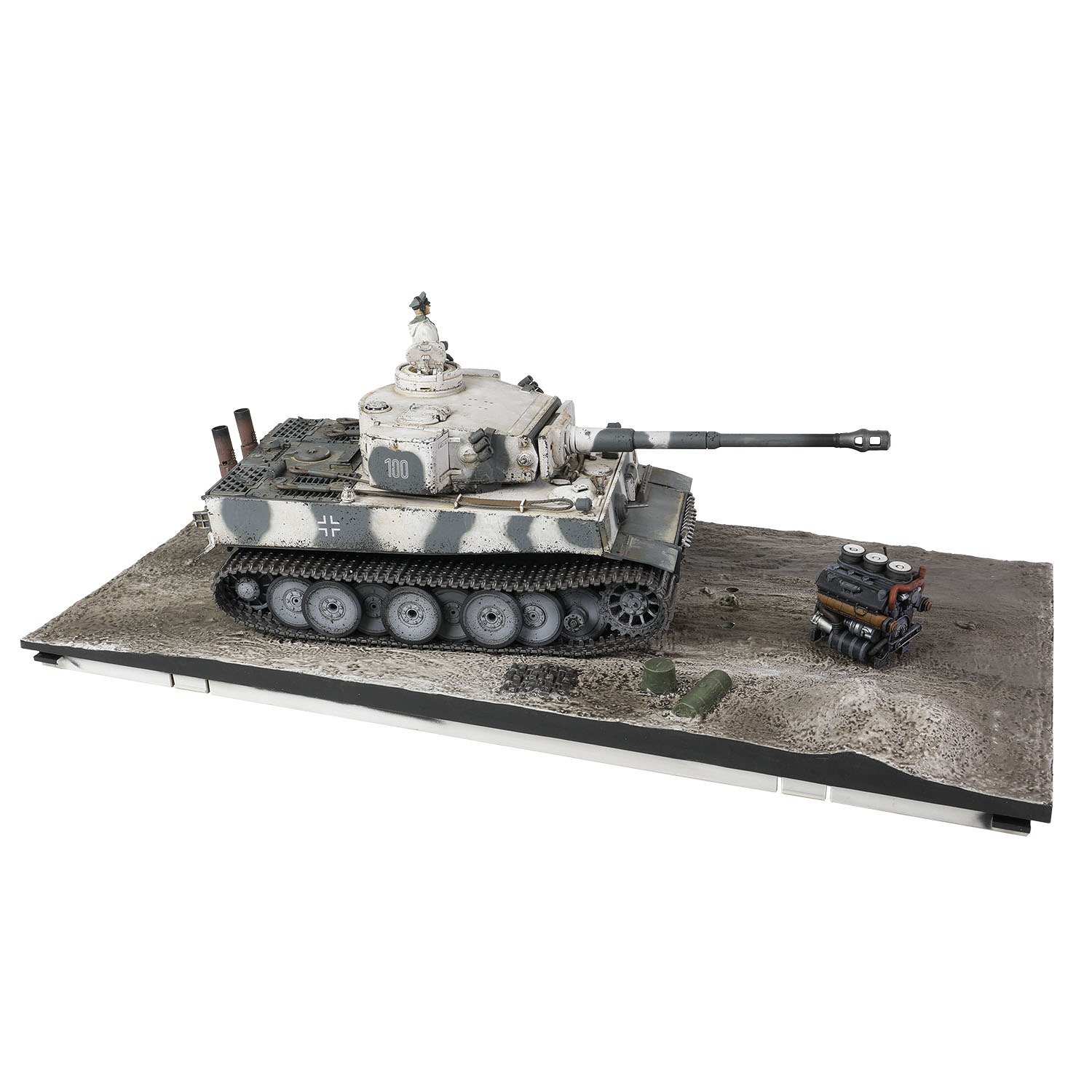
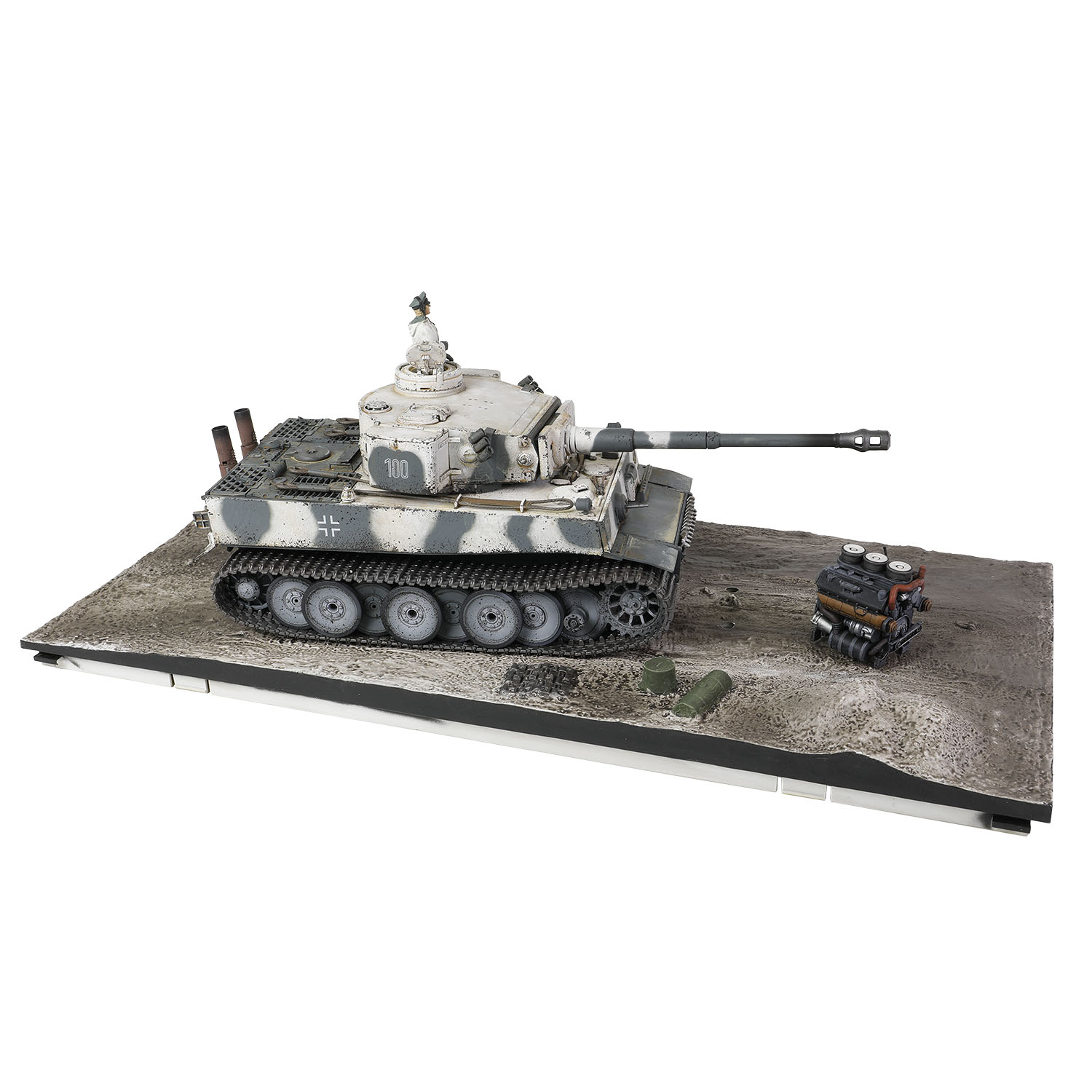
These new Tiger tanks arrived in August 1942 and saw their first combat on the Eastern Front by mid-September. Though assigned to the Eastern Front, the battalion primarily operated around the Leningrad sector. In January 1943, nine Tigers with chassis numbers 250002–250010 were transferred to the 520th Battalion. These were classified as early-production models - lashing mudguards, Feifel air filters, and the exhaust shrouds found on later variants. To conceal exhaust flames, a rare field modification was applied to some of the 502nd's Tigers: a metal plate "chimney" was fixed atop each exhaust pipe.
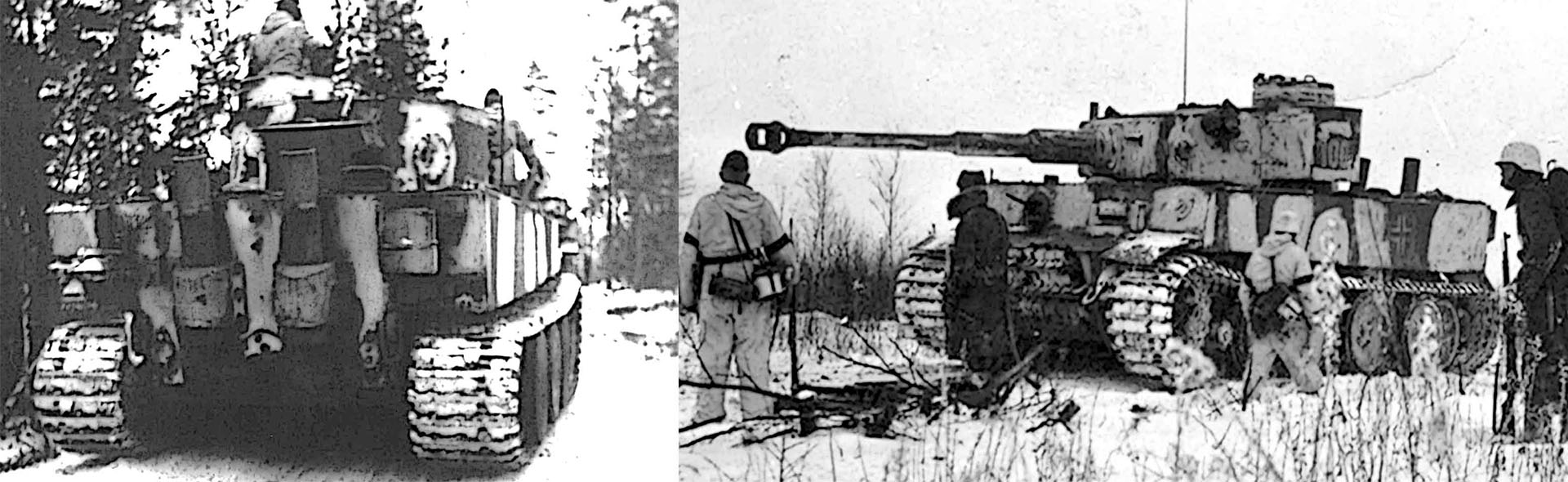
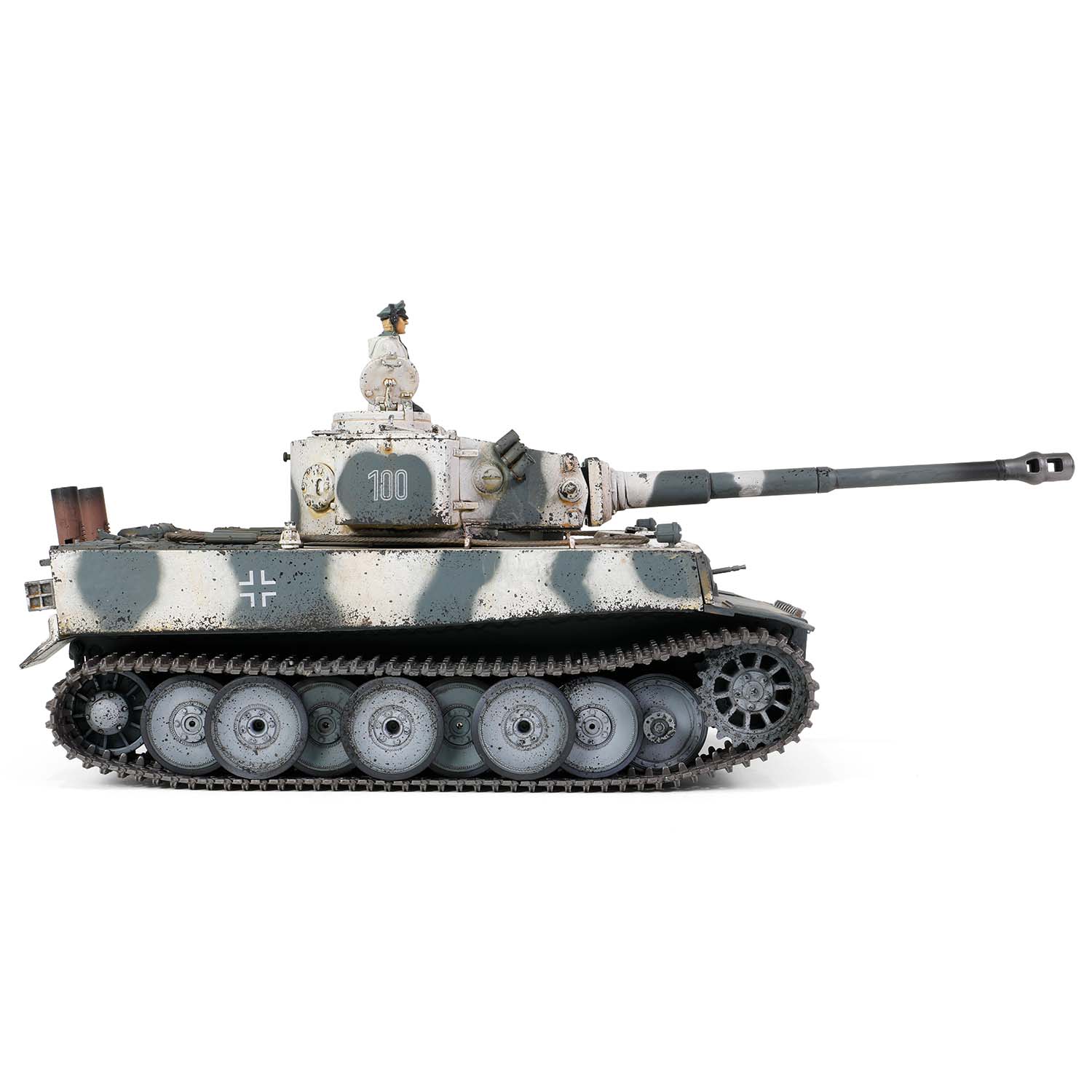
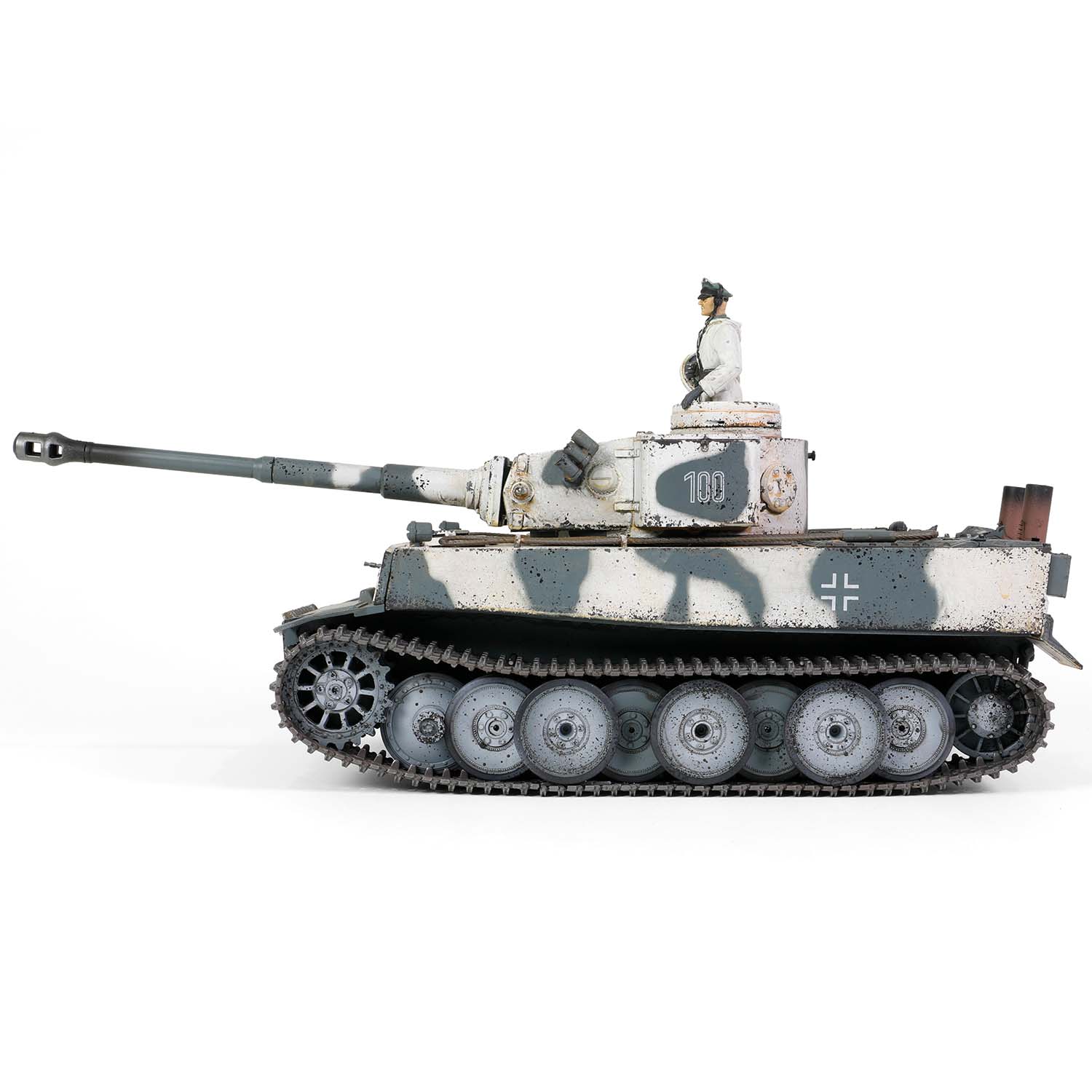
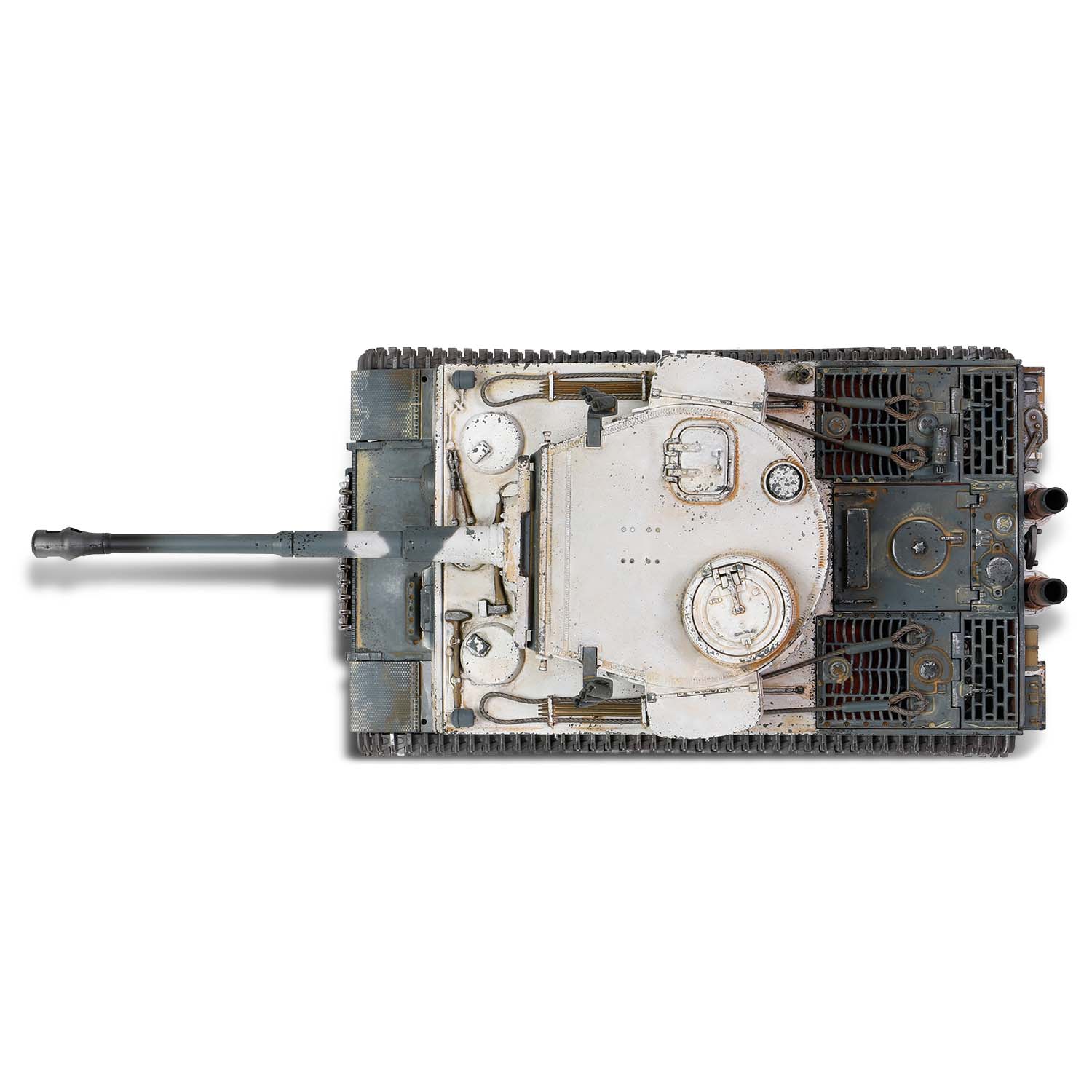
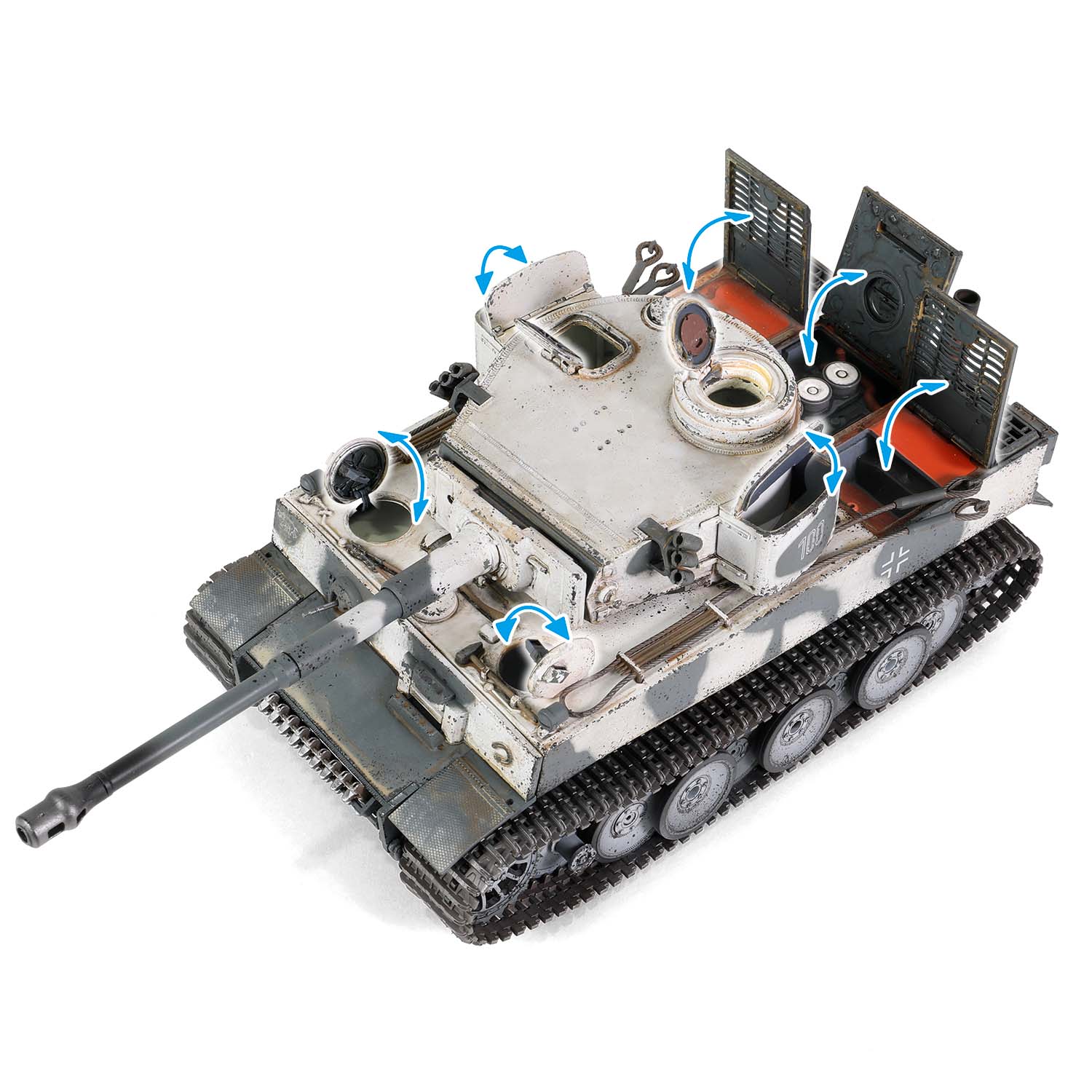
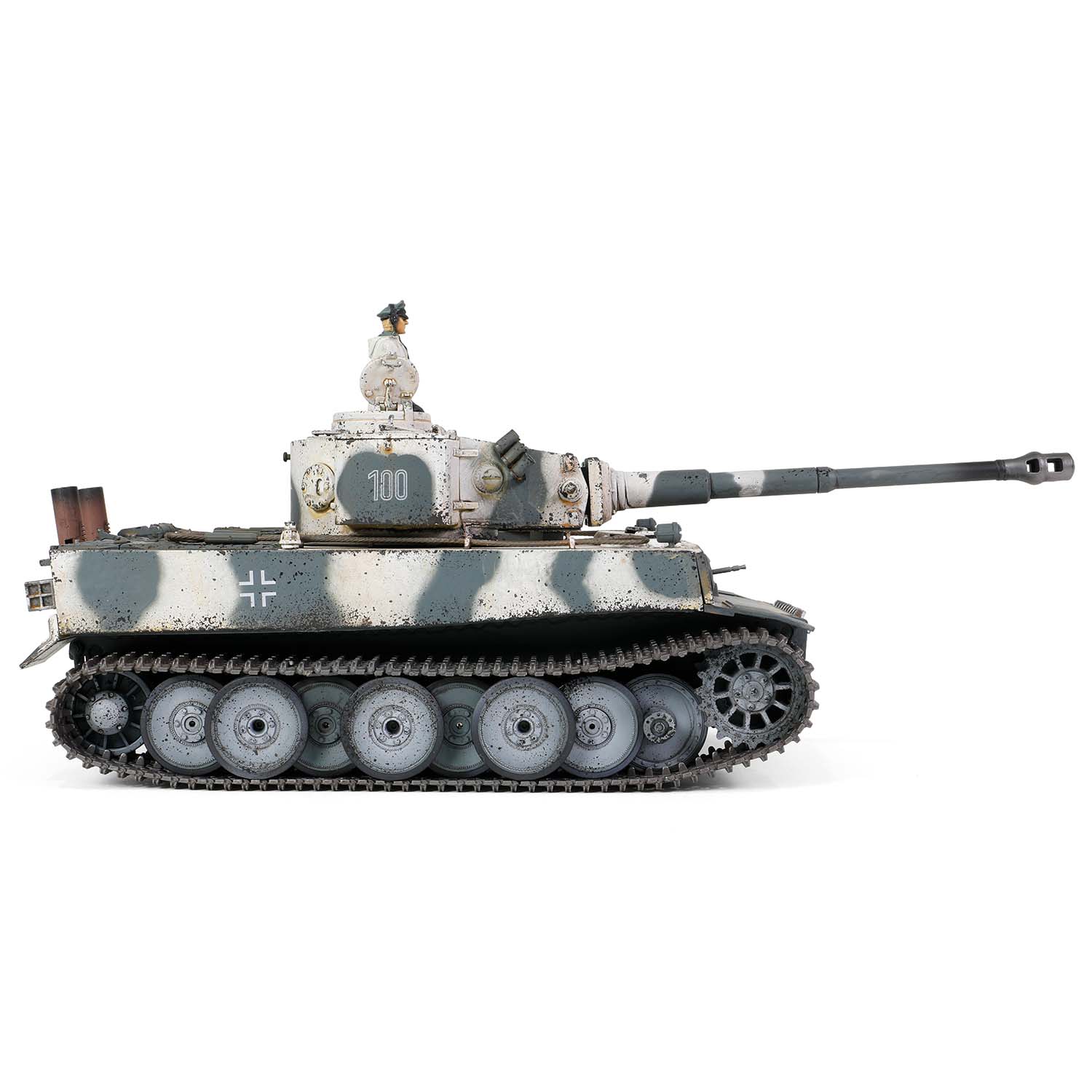
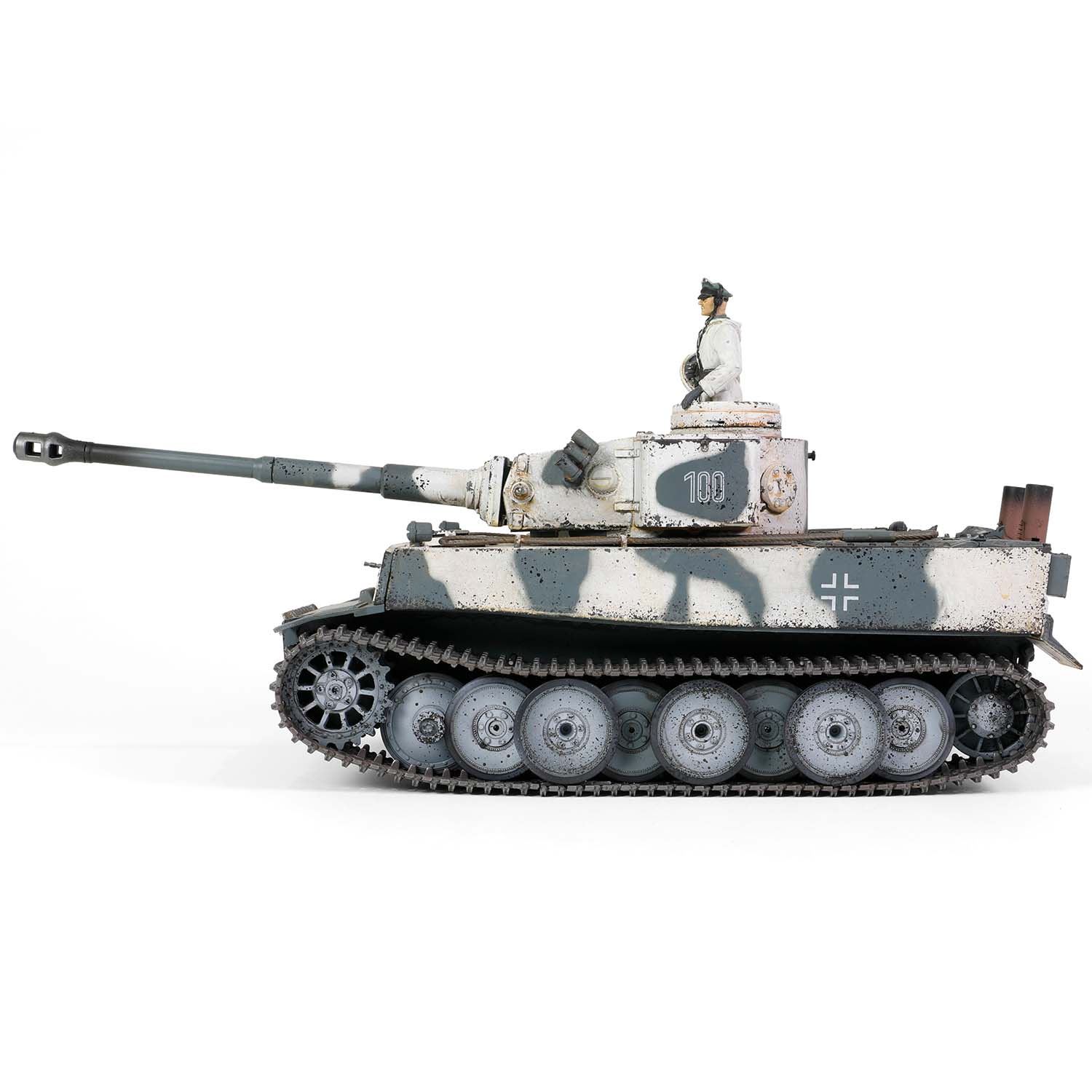
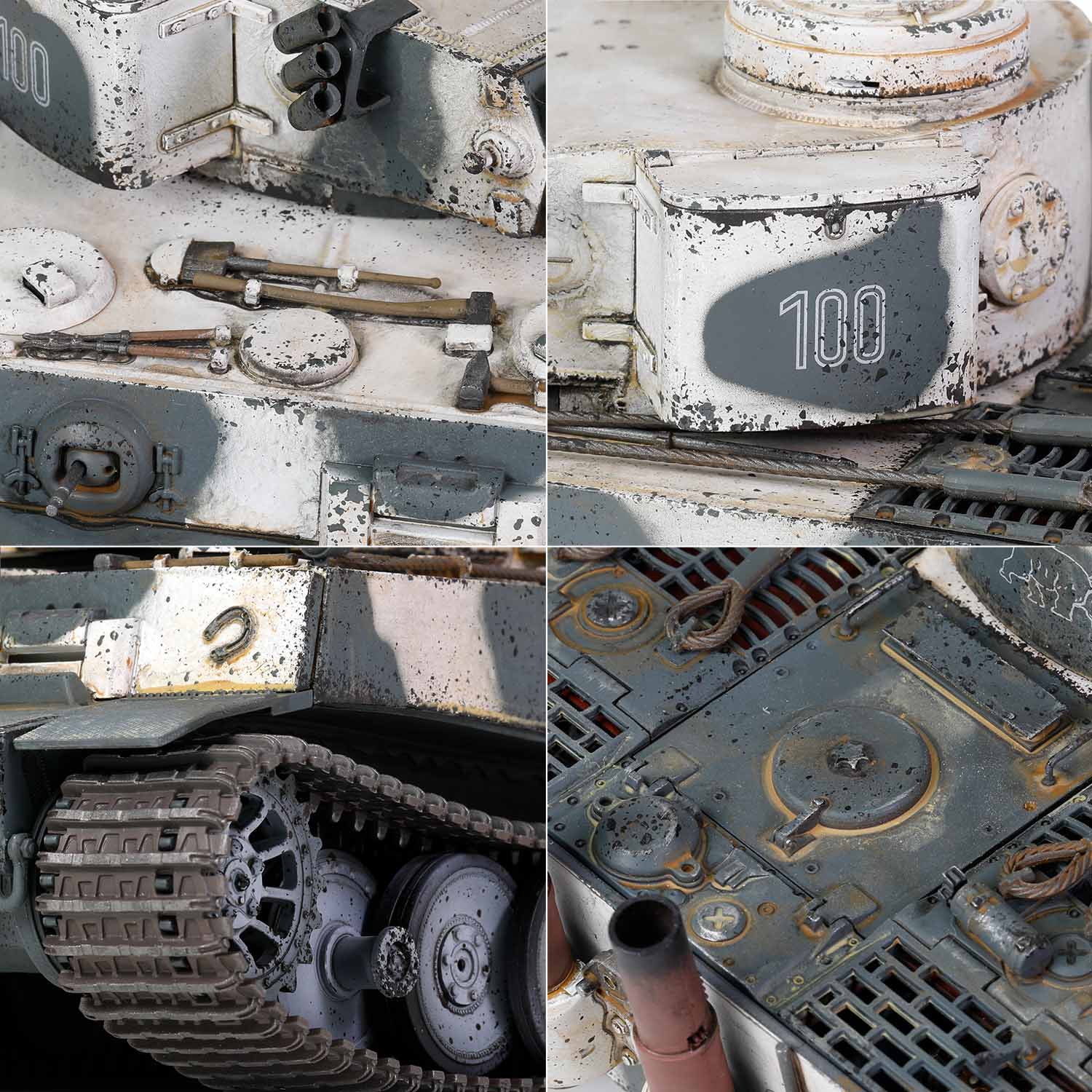
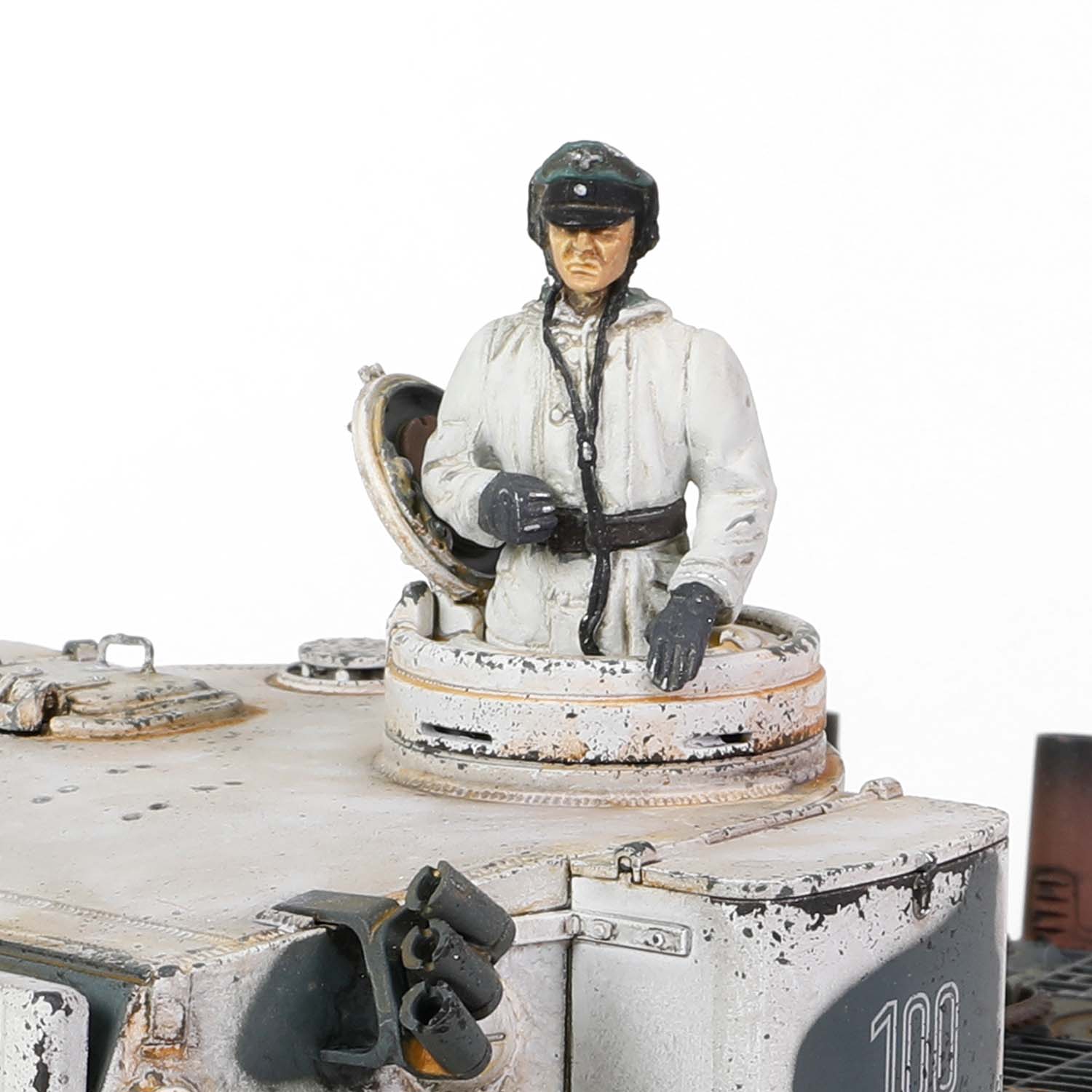
For the war's first winter campaign, these tanks received improvised camouflage. Over their factory-applied Dunkelgrau (dark gray) base, crews applied water-soluble whitewash, often diluted with whatever was available - freshwater, muddy river water, or even fuel - resulting in a patchy, easily worn, and heavily weathered finish.
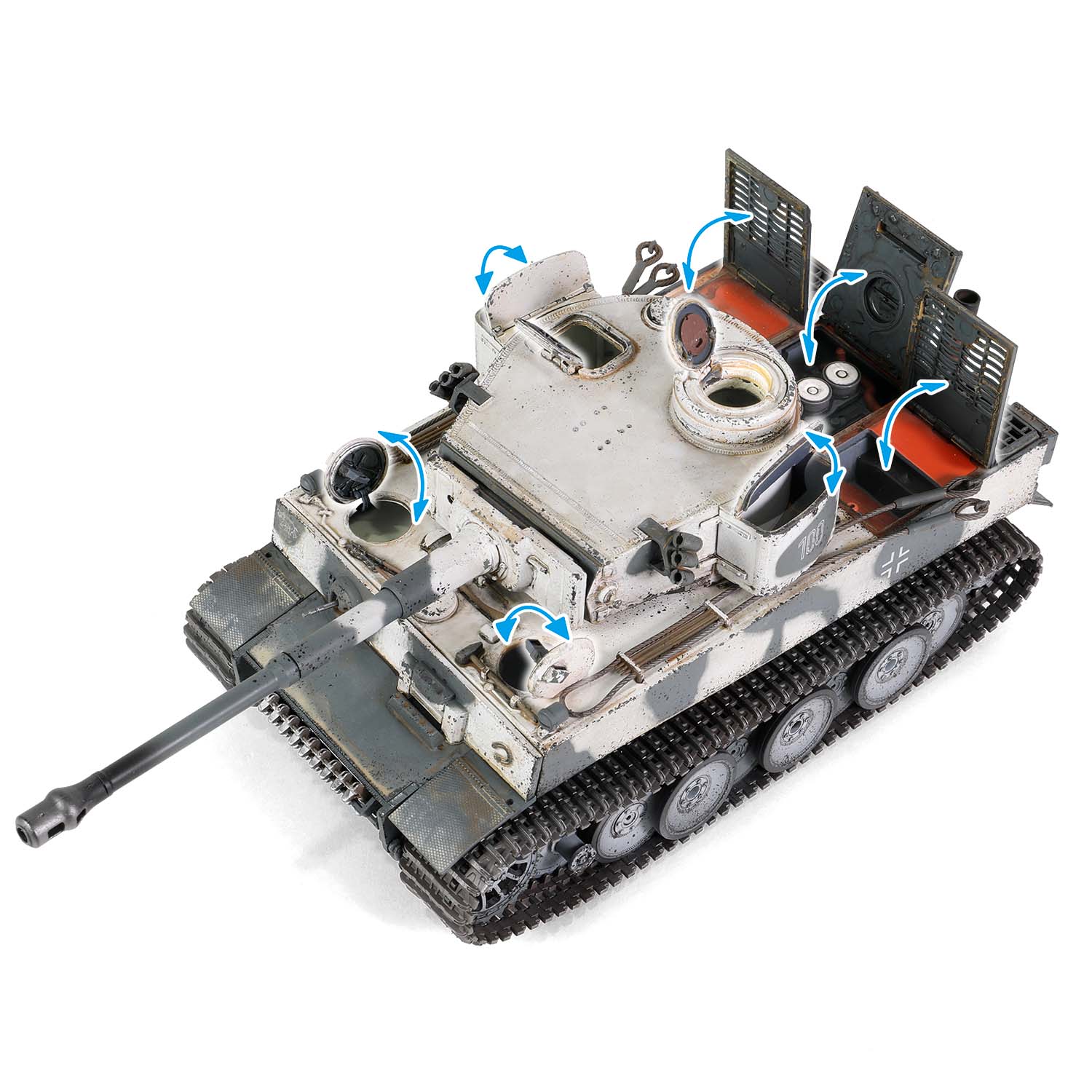
One particular Tiger, turret number "100", featured two rare large stowage bins on either side of the turret. It sustained minor damage during Operation Spark (17–18 January 1943) but was ultimately abandoned due to a lack of recovery equipment. The Soviets later captured it, studied it extensively, and displayed it at Moscow's Gorky Park alongside other war trophies for public and military officials - including Stalin and Zhukov - to inspect. Famous photographs of the wreck show its winter coating gone and the side stowage bins missing.
Later, under the command of Otto Carius, the battalion's "Tiger Company" fought until early 1945. Redesignated as the 511th Heavy Panzer Battalion in January 1945, it continued combat on the Eastern Front until April, credited with destroying roughly 1,400 enemy tanks.