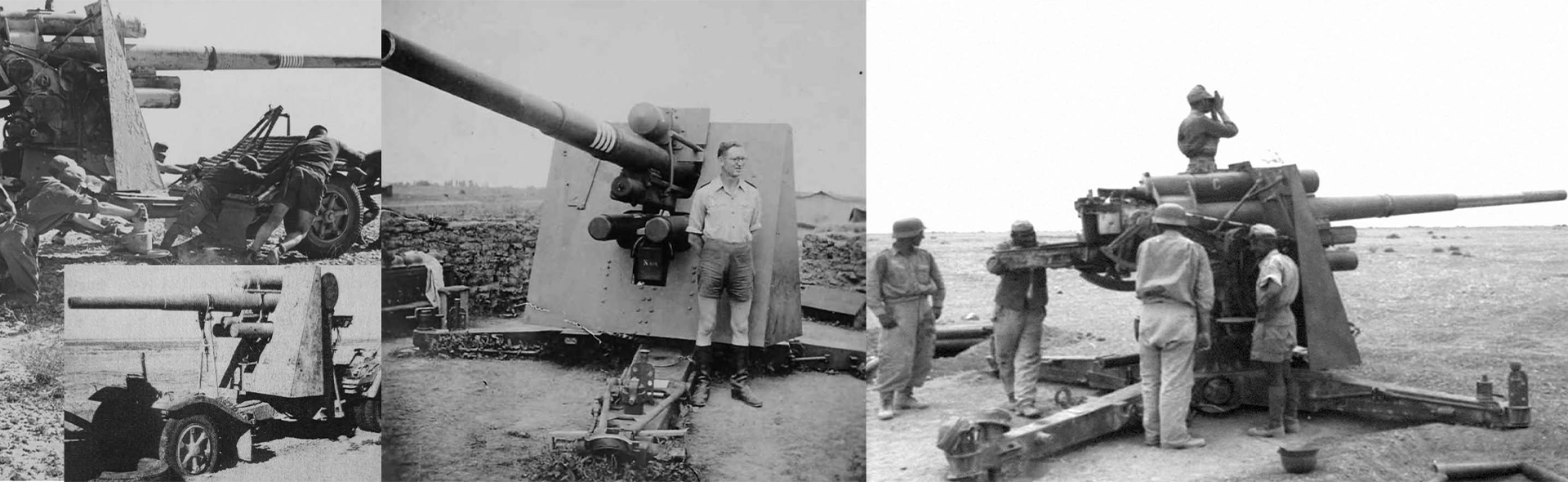
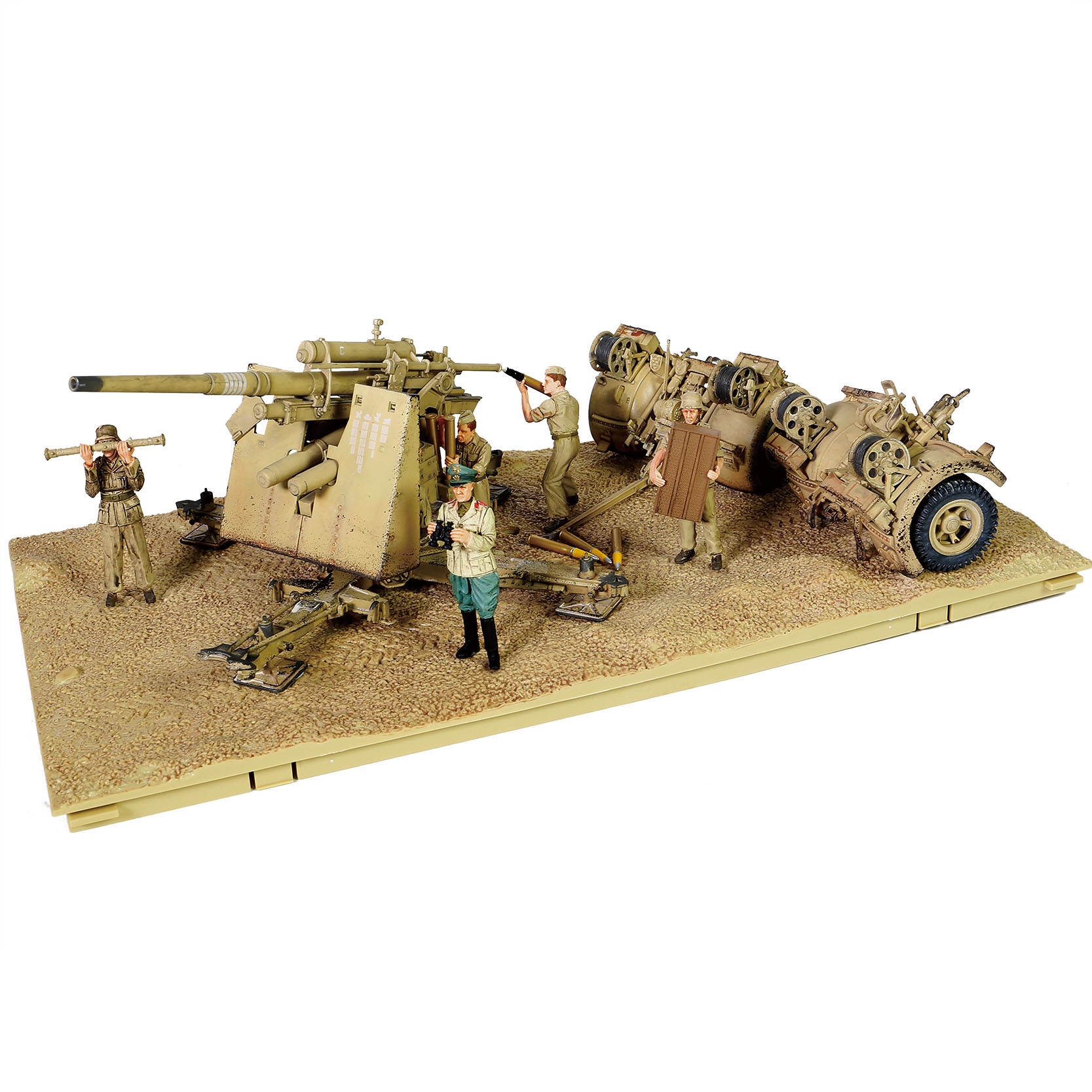
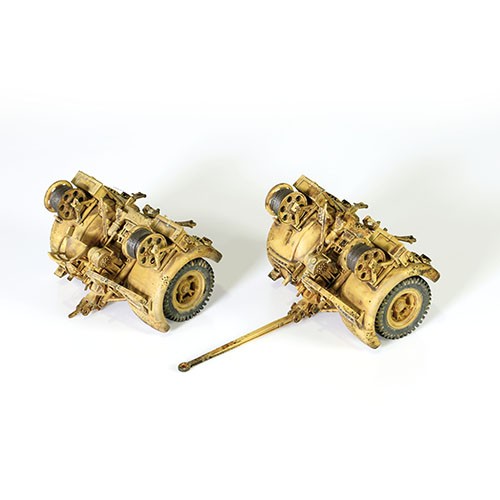
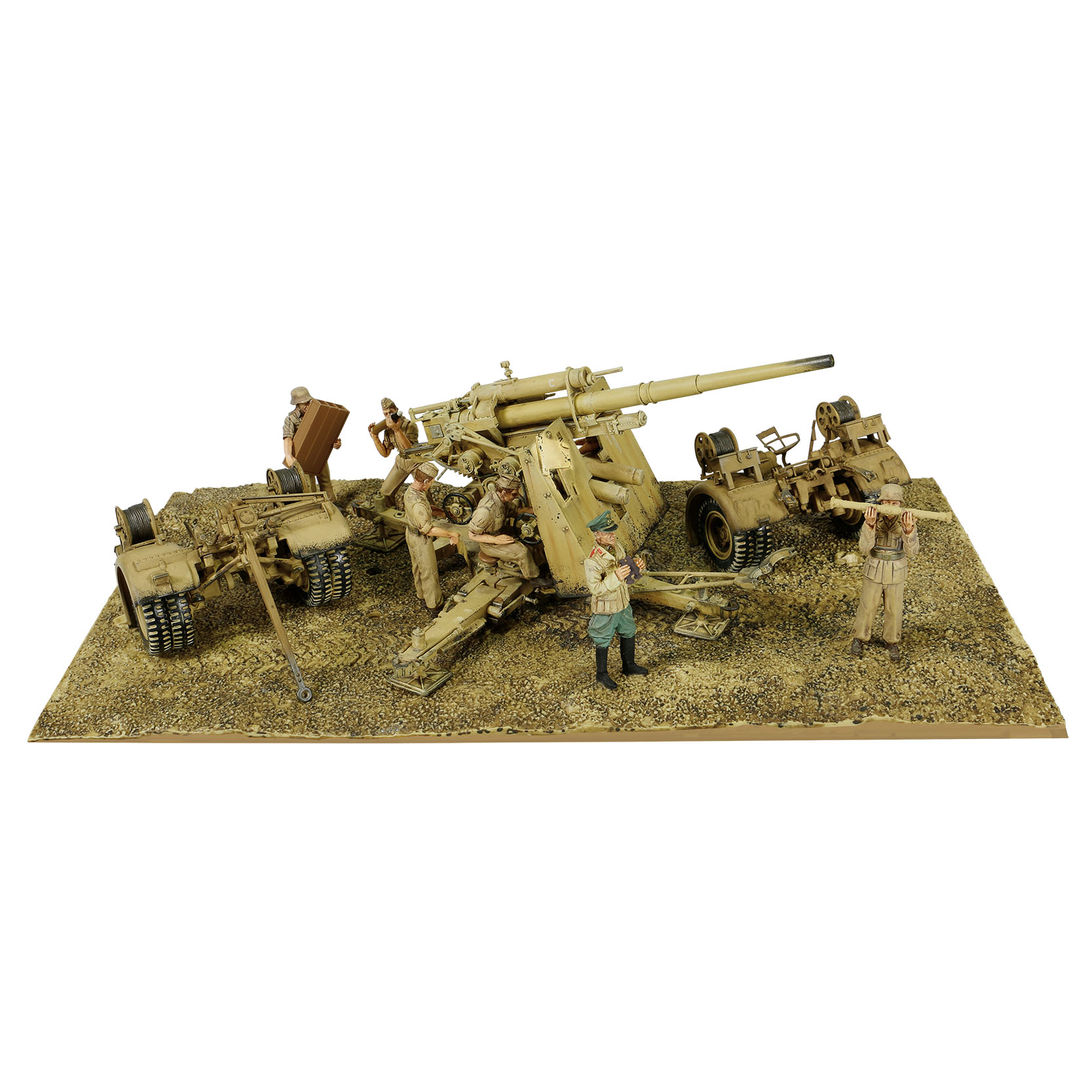
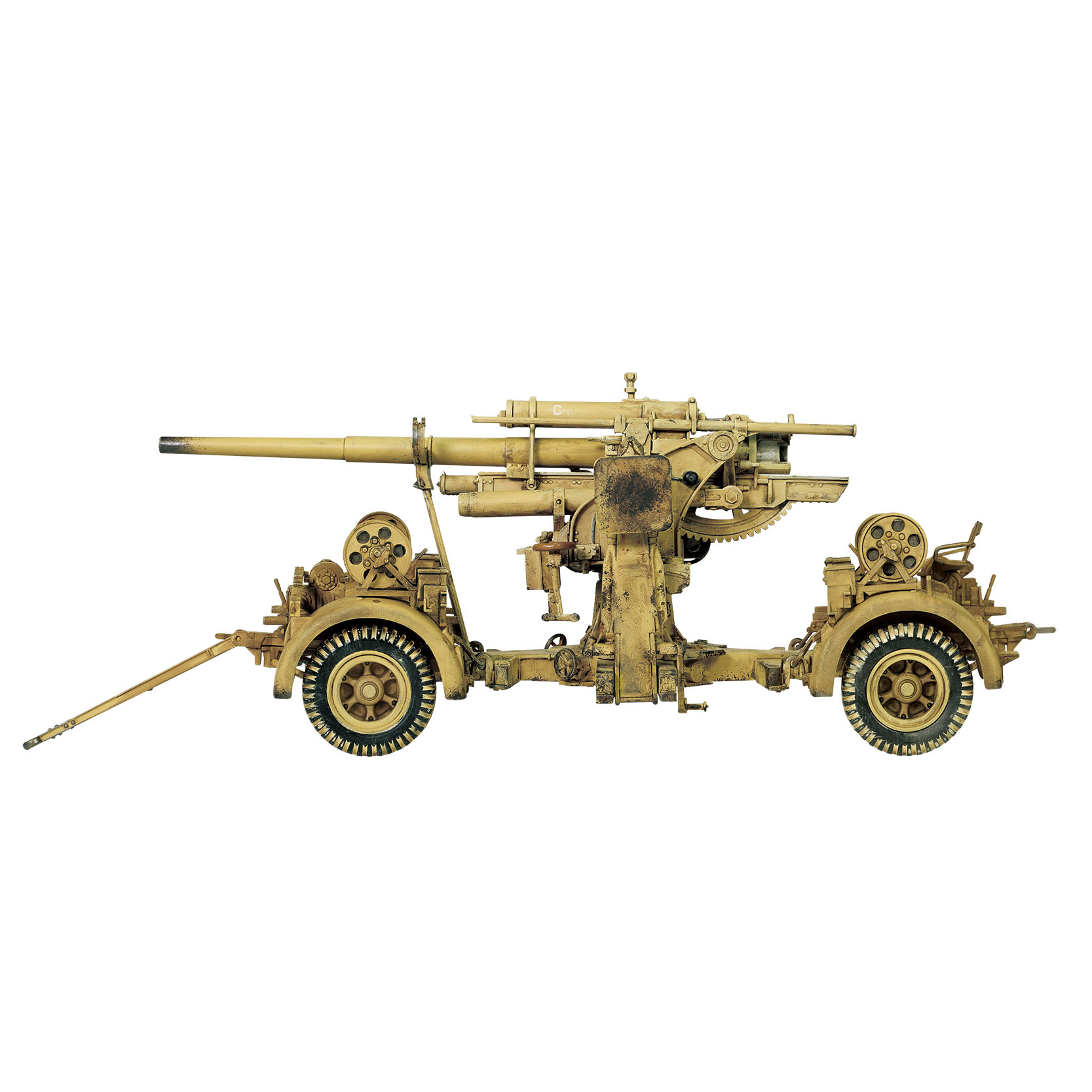
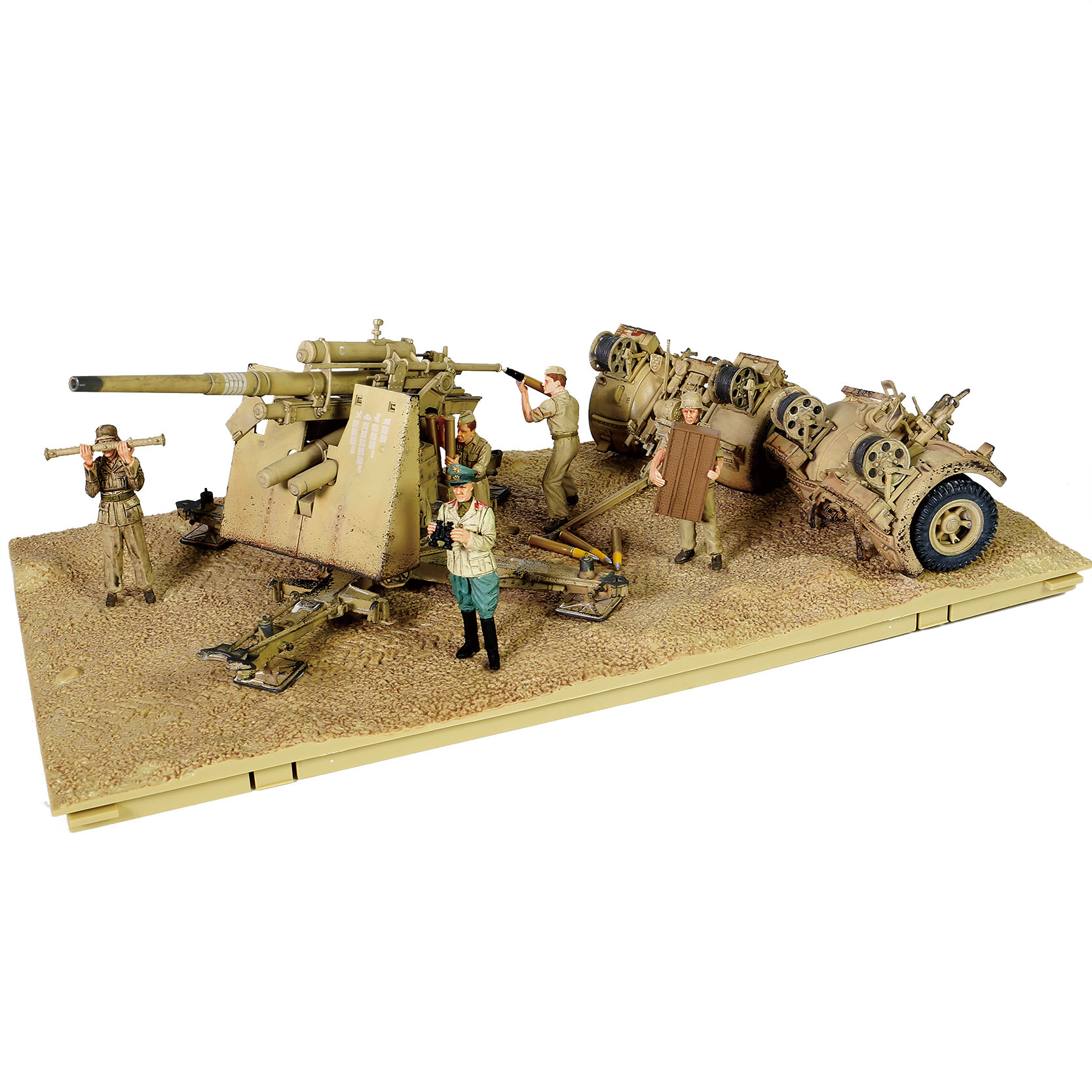
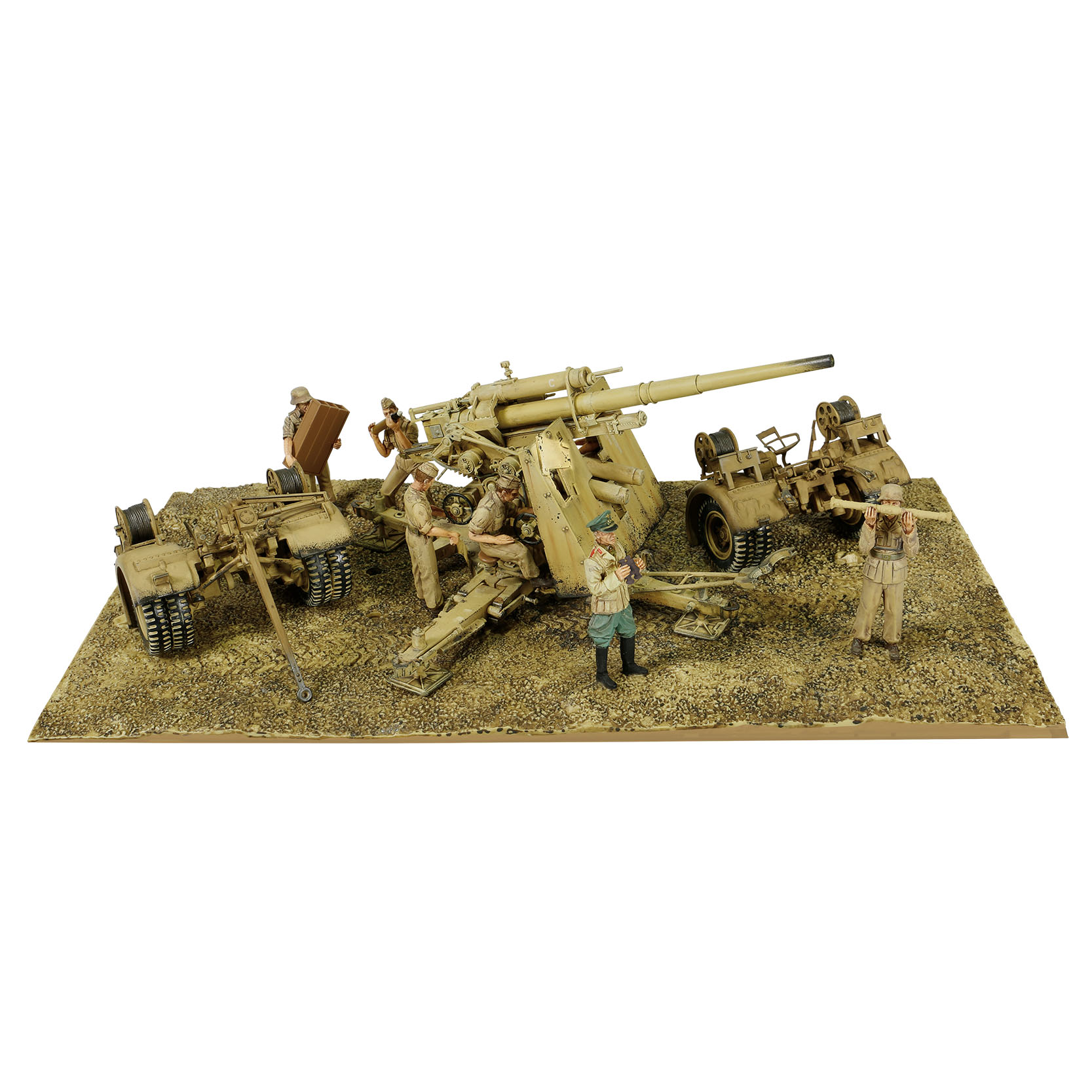
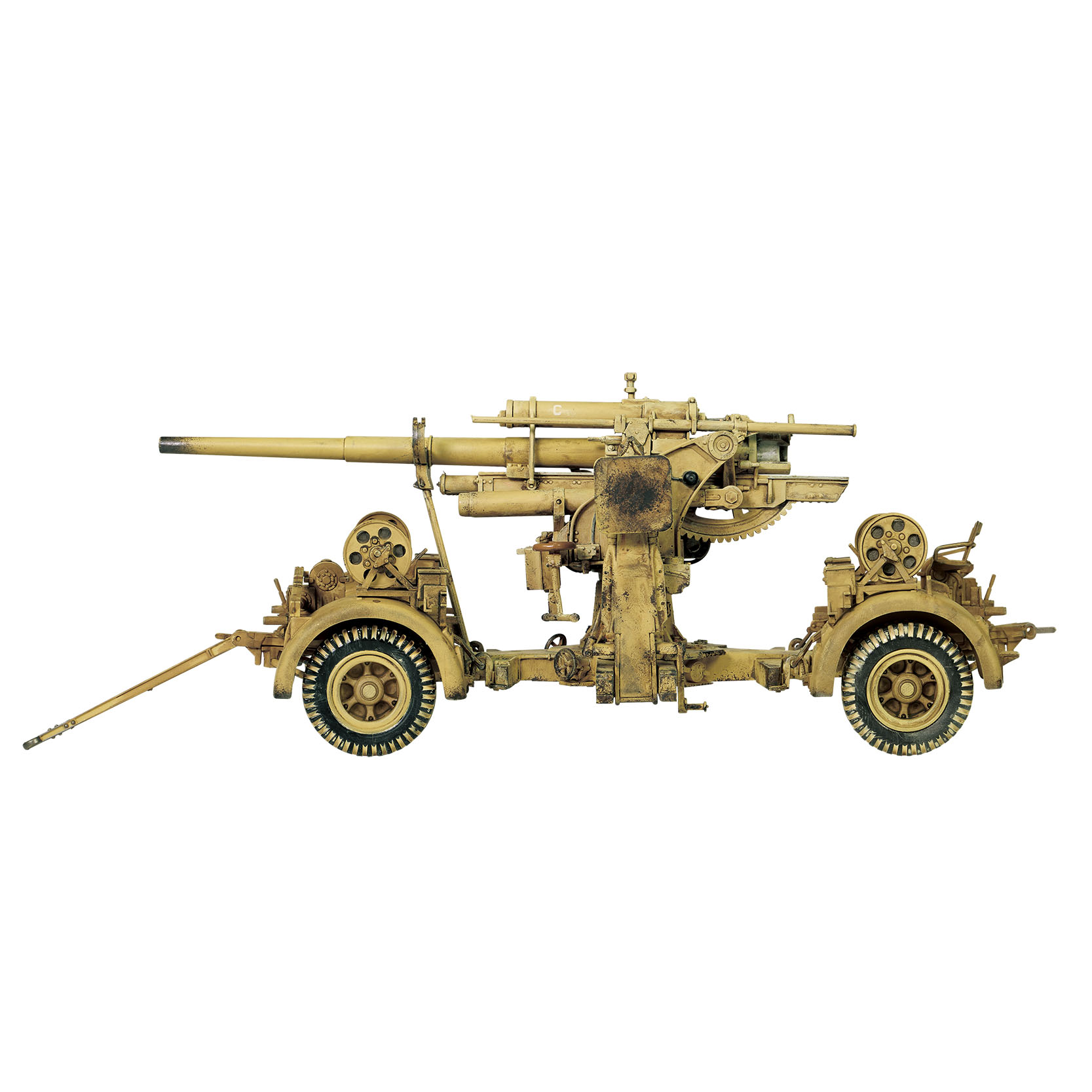
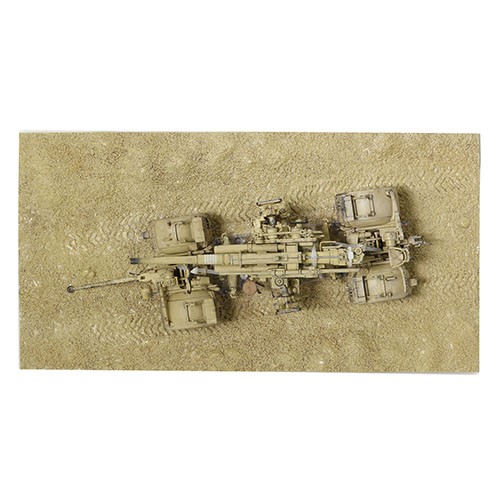
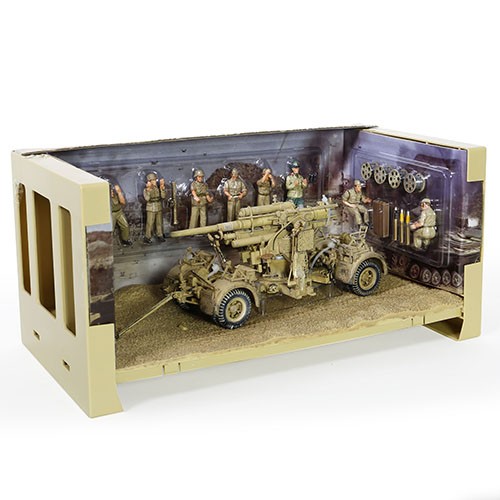
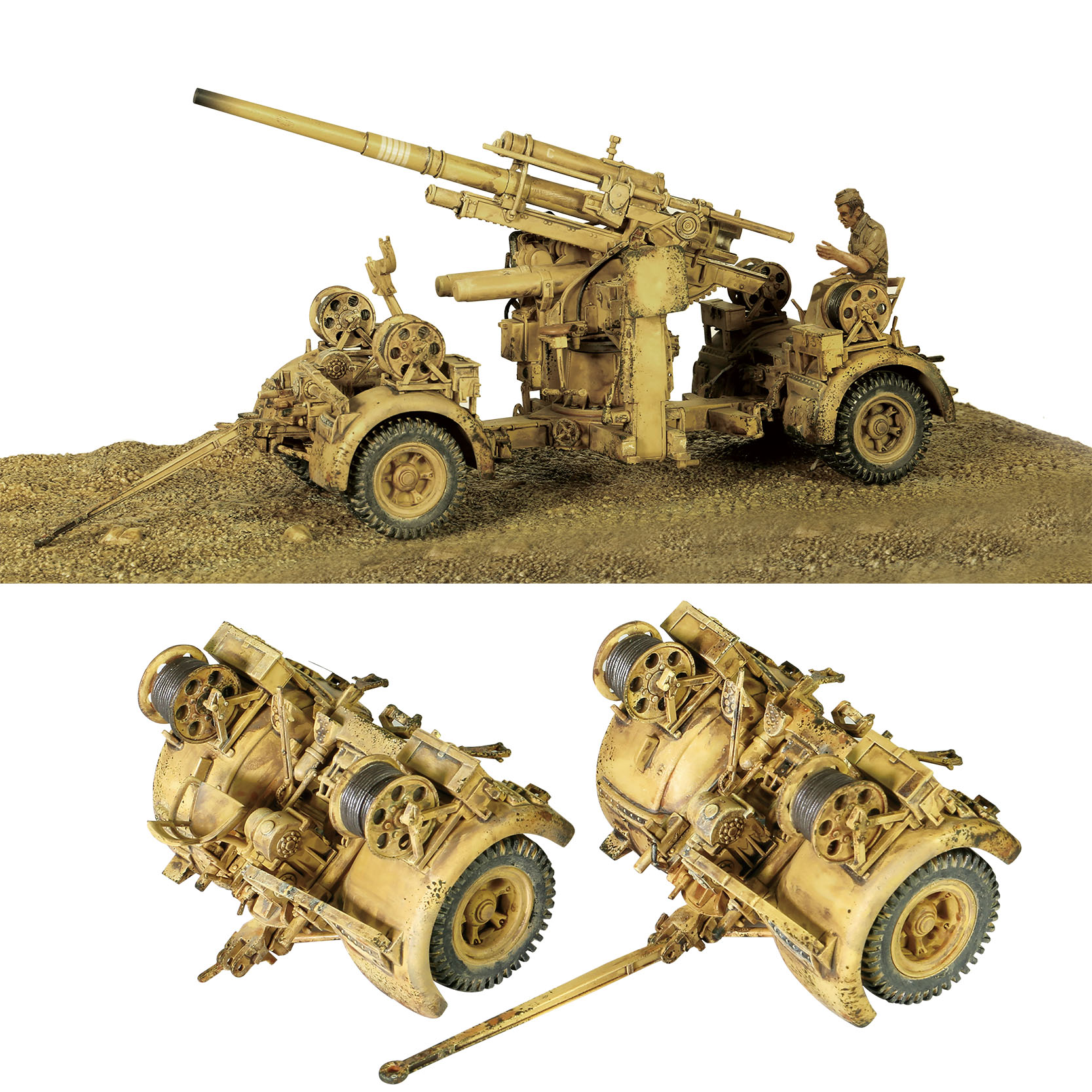
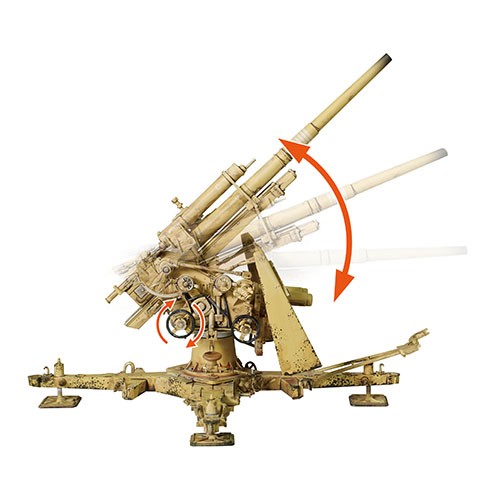
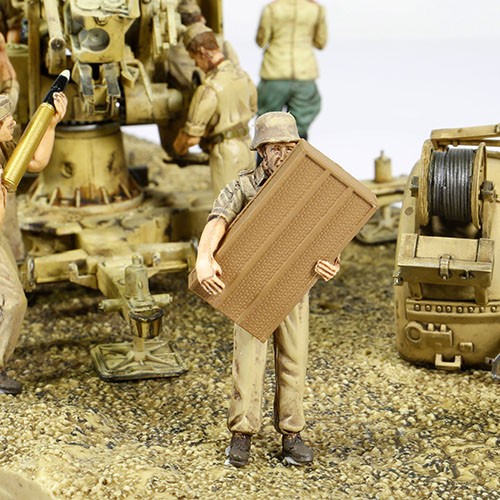
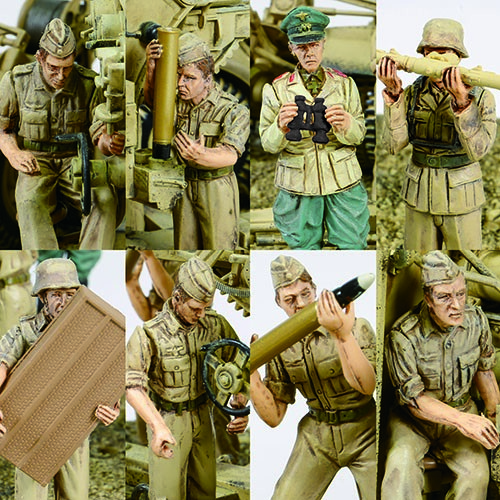
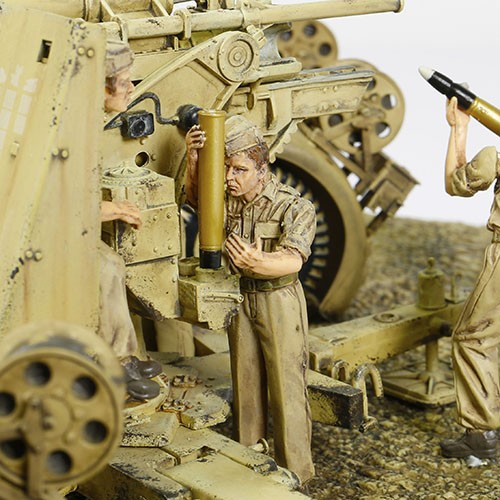
When it comes to the most famous army weapon of World War II, I believe many history enthusiasts would mention the renowned 88mm Flak gun. Although it was originally designed as an anti-aircraft gun, what truly made it legendary was its role in anti-tank warfare and its versatility.
So, what made the 88mm Flak so special?
The 88 was designed by Krupp, the world's most famous artillery manufacturer at the time. The engineers realized that future aircraft would become a dominant force in warfare and would fly at higher altitudes. As a result, they boldly chose the largest caliber then available for anti-aircraft guns—88mm—and gave it an extremely high muzzle velocity. History proved their foresight correct, as it turned out to be an outstanding anti-aircraft gun.
The 88mm Flak truly shone during the Blitzkrieg against France. In April 1940, a German armored division encountered a British tank counterattack in Belgium. At the time, Germany had not yet deployed the infamous Tiger tank, and their 37mm guns were unable to penetrate the 80mm frontal armor of the British Matilda II heavy tanks. The Blitzkrieg operation was on the verge of failure. At this critical moment, soldiers from an anti-aircraft unit lowered the barrel of an 88mm Flak and fired directly at the British tanks, destroying nine of them almost instantly. The British forces hastily retreated, and the German Blitzkrieg succeeded.
In February 1941, Rommel led the Afrika Korps into a standoff with British forces in North Africa. During the Battle of Salam in June, the British launched an attack with 240 tanks. The Germans, outnumbered and outgunned, once again employed their tried-and-true tactic: camouflaging 88mm Flak guns within defensive positions. Caught off guard, the British lost 123 tanks.
Combat experience proved that the 88 was also an exceptional anti-tank gun, capable of penetrating the frontal armor of British main battle tanks at distances beyond 2,000 meters. Its dazzling battlefield performance caught the military's attention, leading to a series of improvements. The upgraded Pak 43 model even set a record by destroying a tank at 3,500 meters. Later, the Pak 43 became the main gun of the infamous Tiger I heavy tank. Whether facing British Matildas, Soviet T-34s, or American Shermans, none could withstand a direct hit from the 88.
To this day, the legend of the 88mm Flak continues to captivate military enthusiasts worldwide.